Peabody, MA · Essex County
Water Damage Repair in Peabody, MAEmergency Water Extraction & Carpet Water Extraction
Water Damage Repair in Peabody for pipe burst cleanup service, mold remediation after water, and emergency water extraction.
Answered 24/7
Trusted Water Damage Repair for Peabody Homes
In Peabody, damaged floors and other water damage often start with appliance failures and other common household incidents.
In Peabody and nearby Salem, Danvers and Swampscott, plumbing failures and storms can cause water damage. Local water damage pros extract water, remove wet drywall and dry the property.
Complete Water Damage Repair Solutions for Peabody
Emergency Water Extraction
Large amounts of water from sudden incidents are removed quickly, which shortens drying and lowers the risk of mold.
Carpet Water Extraction
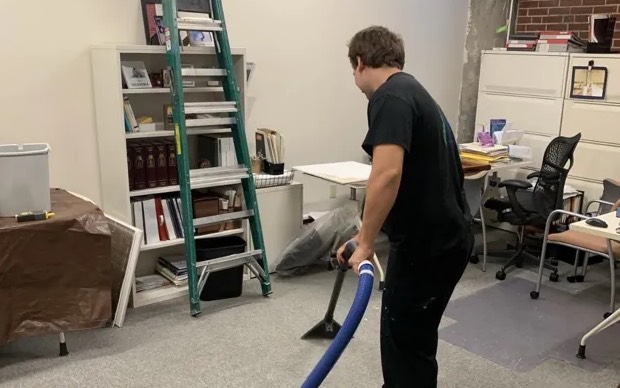
Extractors pull water out of carpet fibers and the pad underneath, which protects the subfloor in Peabody homes.
Wet Drywall Removal
Persistent moisture ruins drywall. In Peabody, the specialists eliminate this water reservoir, allowing structural framing to be dried.
Mold Remediation After Water
When moisture leads to mold, remediation is needed alongside drying. The water source is removed and visible mold is addressed.
Ceiling Leak Water Cleanup
Water pooling in a ceiling poses risk. The pros extract standing water and dry materials, mitigating mess for properties in Peabody.
How to Know You Need Water Damage Repair
Mold Growth on Surfaces
Visible black, green, or white fuzzy spots indicate mold from water damage.
Visible Water Pools
Standing water in rooms or on floors indicates water damage and requires immediate attention.
Wet Drywall and Ceilings
Soft, discolored, or sagging drywall or ceilings are classic signs of water damage.
Damp or Wet Carpeting
Squishy, saturated carpets or padding are a clear sign of water damage.
How Water Damage Repair Works in Peabody
Step 1: Emergency Water Extraction
The pros begin by removing standing water with industrial pumps and vacuums to stop spreading.
Step 2: Moisture Mapping and Detection
Using moisture meters and thermal imaging, experts map all affected areas, including hidden moisture behind walls and under floors.
Step 3: Structural Drying and Dehumidification
High-speed air movers and commercial dehumidifiers are placed to dry the structure thoroughly, a core part of water damage restoration.
Step 4: Final Verification and Documentation
Pros verify dryness with meters, document the process with photos and readings, and provide a report for your insurance review.
Typical Water Damage Origins in Peabody
Sump Pump Failure
A sump pump that stops working during heavy rain can quickly flood a basement.
Foundation Cracks and Seepage
Cracks in foundation walls let groundwater seep into the basement, often after heavy rain.
Clogged Gutters and Downspouts
Blocked drainage systems force water against the home, leading to siding and basement water damage.
Natural Flooding and Heavy Rain
Severe weather can overwhelm yard and street drainage and send water into basements.
Water Damage Repair Across Property Sectors in Peabody
Residential Water Damage Repair
At home, leaks and floods ruin floors, walls and belongings. The pros extract water and remove wet drywall to industry standards to protect the structure and air.
Commercial Water Damage Repair
For businesses, water damage can stop operations and ruin stock. The pros respond day or night to restore the space and control moisture so you can reopen.
Why DIY Water Damage Repair Often Fails
You can turn off a leaking appliance valve. For flooding from a basement drain, sump pump failure or an unknown source, call pros, since they have pumps for large volumes.
Estimating Water Damage Repair Costs for Peabody
In Peabody, cost depends on the source and size of the damage. A small ceiling leak takes far less labor and equipment than a flooded basement.
Location Accessibility
Easily accessed areas simplify service. Confined spaces like attics or basements may require special equipment setup, influencing the overall project labor.
Mold Remediation Needs
If mold has started, the work grows to include containment, air filtration and extra cleaning, which adds cost.
Water Contamination Level
Clean water from a pipe burst is less costly to manage. Grey or black water requires advanced safety measures and may mandate more extensive removal.
Does Insurance Cover Water Damage Repair?
Insurance coverage for water damage cleanup depends on the peril causing it. A sudden, internal event like an appliance overflow is often covered. Gradual leaks or maintenance issues typically are not. The pros provide detailed documentation of the moisture extent and mitigation steps taken.
The Value of Local Water Damage Repair Experts in Peabody
24/7 Emergency Response
Quick action limits how far water spreads. You can call for emergency water removal any time, day or night.
Advanced Water Extraction Equipment
Industrial pumps and extractors remove large volumes of water from flooded areas quickly.
Detailed Damage Documentation
Photos, moisture readings, and drying logs are compiled. This documentation is provided for your records and potential insurance claim process.
24/7 Emergency Water Damage Repair in Peabody
Ceiling leaks can worsen quickly and cause ceiling collapse. For emergency ceiling leak water cleanup, call (617) 741-9207 day or night. The pros can address the water source and start drying affected ceilings and attics.
Call Now (617) 741-9207Water Damage Repair Service Area Including Peabody
From ceiling leaks to flooded basements, the pros respond 24/7 throughout Peabody and adjacent areas including Salem, Danvers and Swampscott.
- Water Damage Repair in Salem
- Water Damage Repair in Danvers
- Water Damage Repair in Swampscott
- Water Damage Repair in Marblehead
- Water Damage Repair in Lynn
- Water Damage Repair in Ipswich
- Water Damage Repair in Wakefield
- Water Damage Repair in Saugus
- Emergency Damage Restoration in 01960
- Storm Damage Restoration in 01960
- Water Damage Restoration in 01960
- Water Extraction Service in 01960
- Water Leak Detection in 01960
- Water Removal Service in 01960
- Emergency Damage Restoration in 01961
- Storm Damage Restoration in 01961
Water Damage Repair Information and Answers
How does pipe burst cleanup service work?
After the water supply is shut off, the service involves extracting standing water, drying the affected areas, and removing any ruined materials.
Are contents affected by water damage cleaned?
Restorable contents like furniture may be cleaned and dried off-site as part of some services. However, the primary focus is often on the structural drying of the building itself to stabilize the environment.
Does water damage always lead to mold growth?
Not always, but mold can begin growing within 24-48 hours in damp conditions. Rapid and complete drying is the primary method to help prevent mold after a water damage incident.
How is drying monitored after water extraction?
Moisture meters and hygrometers are used to track moisture levels in materials and the air. Drying logs record progress until pre-determined dryness goals are met for all affected building materials.
How quickly should water extraction services begin?
As soon as possible. Water spreads quickly and soaks into materials, so early work limits the damage.