Tile Floor Water Extraction in Chelsea, MA
Trusted by 165+ Homeowners
Water Damage on Tile Floors: A Common Issue in Chelsea, MA
Chelsea, MA, is known for its heavy rainfall and snowfall, which can lead to water damage on tile floors. Your home’s tile floors can be vulnerable to water damage due to various reasons, such as burst pipes, appliance malfunctions, or natural disasters. Act quickly to prevent further damage and costly repairs. Don’t risk your home’s structure and health by ignoring water damage on your tile floors.
With over 165+ five-star reviews, our team is the go-to choice for homeowners in Chelsea, MA, who need reliable and efficient water extraction services. We understand the importance of fast response times and expert techniques to reduce damage and restore your property to its original condition.
- Prevent costly repairs with our prompt water extraction services.
- Restore your home’s beauty with our expert tile floor water extraction techniques.
- Ensure your safety by removing standing water and preventing mold growth.
How We Extract Water from Tile Floors
Our team’s process for tile floor water extraction is designed to be efficient effective and safe. We use specialized equipment to extract water from your tile floors, ensuring that your property is restored to its original condition. Our technicians are trained to handle every situation with care and attention to detail.
Step 1: Inspection and Assessment
Our team begins by inspecting your tile floors to find out the extent of the water damage. We assess the situation to create a customized plan to extract the water and dry your floors. Our technicians are IICRC certified and equipped with the latest technology to ensure accurate assessments.
Step 2: Water Extraction
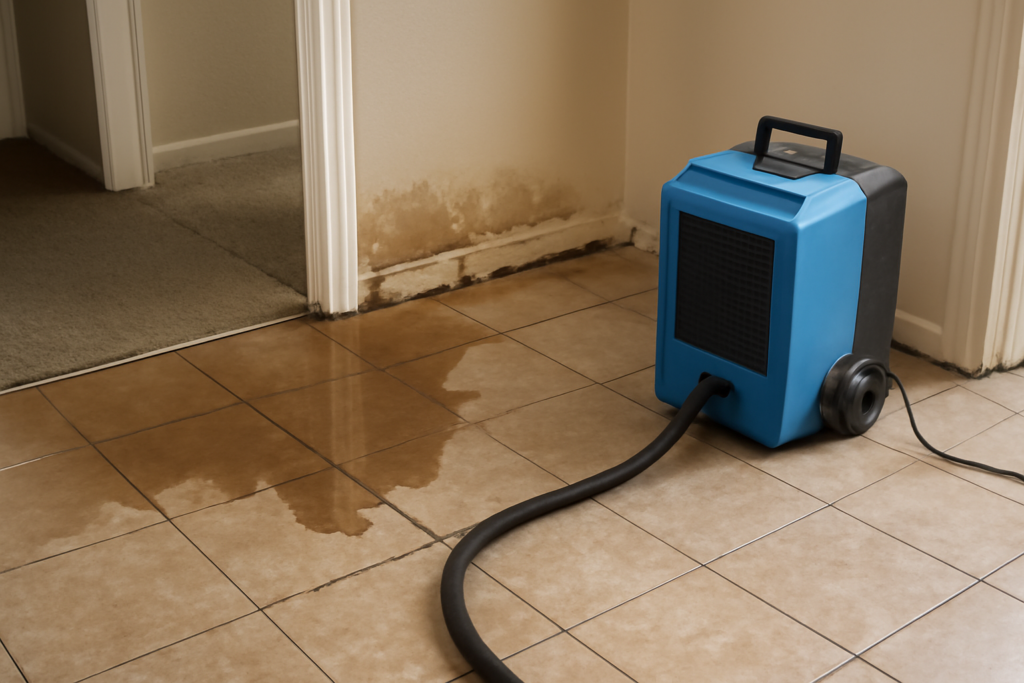
We use specialized equipment, such as wet/dry vacuums and pumps, to extract water from your tile floors. Our technicians work quickly and efficiently to reduce down time and prevent further damage. We also use traps and containment units to prevent water from spreading to other areas of your property.
Step 3: Drying and Dehumidification
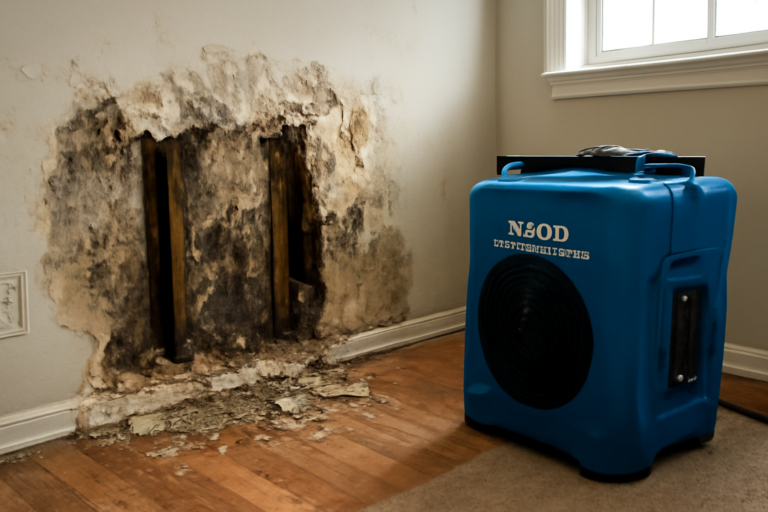
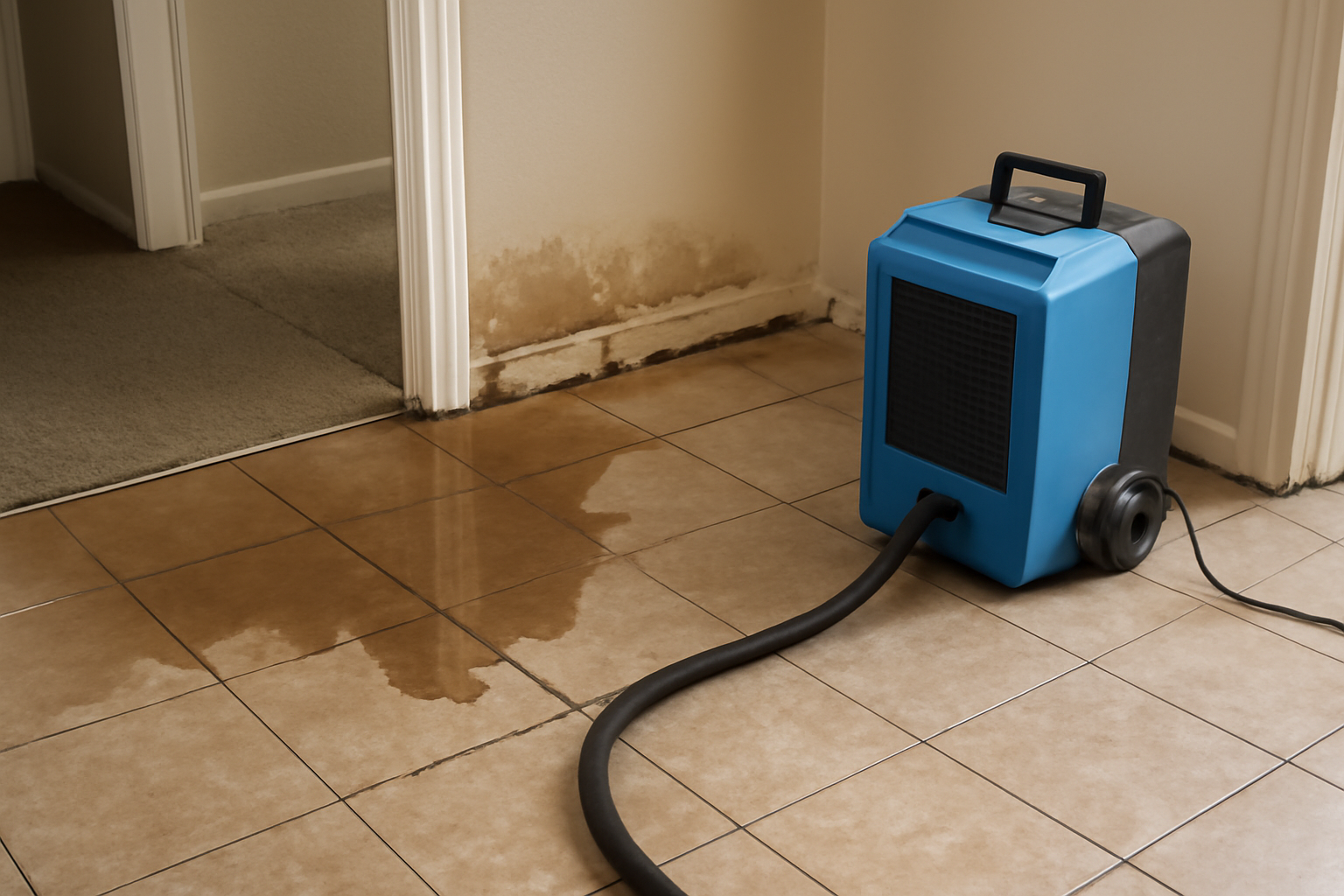
After extracting the water, our team focuses on drying and dehumidifying your tile floors. We use industrial-grade dehumidifiers and air movers to remove excess moisture and speed up the drying process. Our technicians work closely with you to ensure that your property is fully restored to its original condition.
Step 4: Cleaning and Disinfecting
Once your tile floors are dry, our team focuses on cleaning and disinfecting the area. We use eco-friendly cleaning products to remove dirt, grime, and bacteria from your floors. Our technicians also disinfect the area to prevent the growth of mold and mildew.
Step 5: Final Inspection and Touch-ups
Our team conducts a final inspection to ensure that your tile floors are fully restored to their original condition. We make any necessary touch-ups to ensure that your property is safe and secure. Our technicians also provide you with recommendations for future maintenance and upkeep to prevent future water damage.
Don’t wait until it’s too late! Contact our team today to schedule a free inspection and assessment. We’ll work with you to create a customized plan to extract water from your tile floors and restore your property to its original condition.
Warning Signs You Need Tile Floor Water Extraction
Ignoring water damage on your tile floors can lead to costly repairs and health risks. Don’t wait until it’s too late! Look out for these warning signs:
Musty Odors That Won’t Go Away
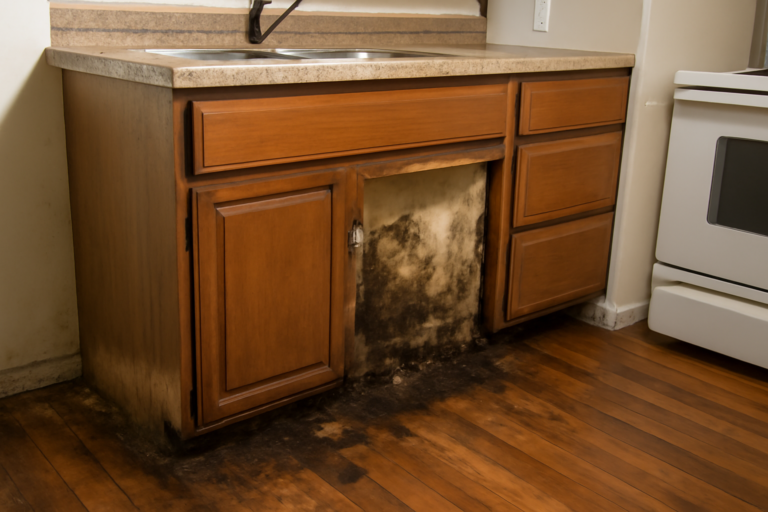
Strong musty odors that persist even after cleaning can show the presence of mold and mildew. Don’t ignore these odors, as they can spread to other areas of your property and cause serious health issues.
Warped or Buckled Tile Floors
Warped or buckled tile floors can be a sign of water damage. Don’t delay in addressing this issue, as it can lead to costly repairs and compromise the structural integrity of your property.
Water Stains on Ceiling or Walls
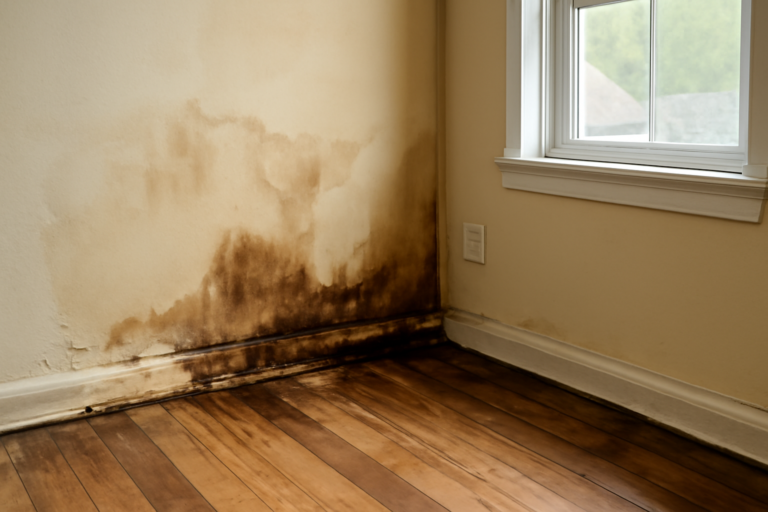
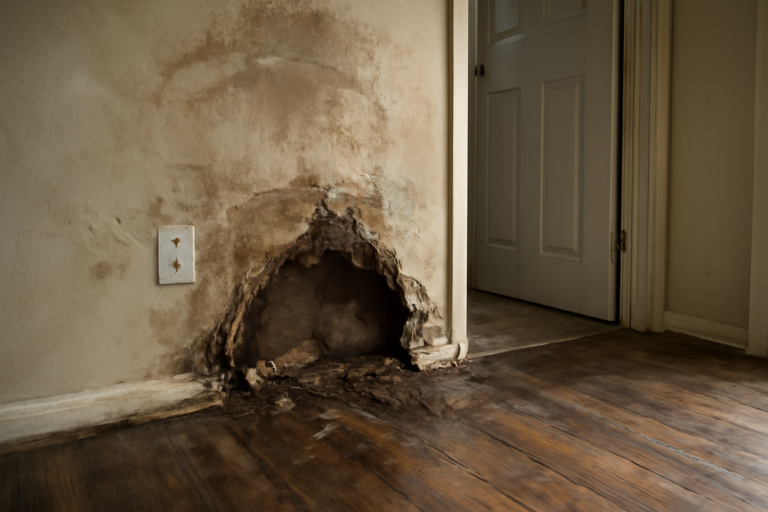
Water stains on your ceiling or walls can show the presence of water damage. Don’t ignore these stains, as they can spread to other areas of your property and cause serious damage.
Discoloration or Fading of Tile Floors
Discoloration or fading of your tile floors can be a sign of water damage. Don’t delay in addressing this issue, as it can lead to costly repairs and compromise the aesthetic appeal of your property.
Peeling or Cracking of Paint or Wallpaper
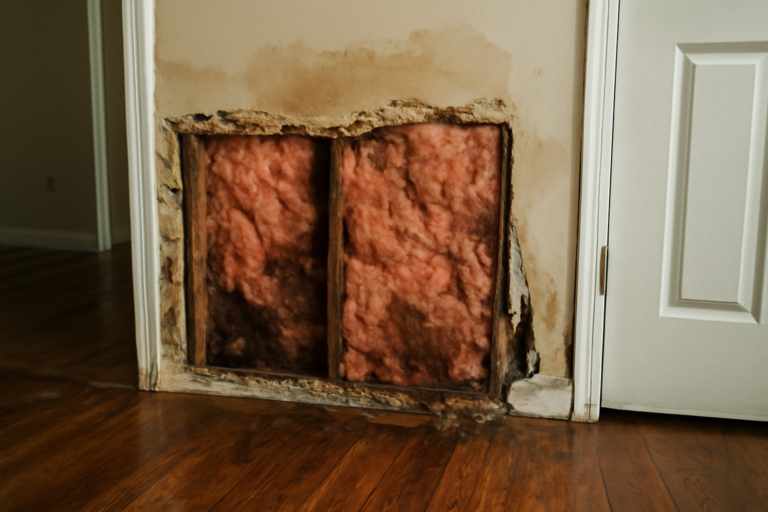
Peeling or cracking of paint or wallpaper can show the presence of water damage. Don’t ignore these issues, as they can spread to other areas of your property and cause serious damage.
Unpleasant Smells or Bacteria Growth
Unpleasant smells or bacteria growth on your tile floors can be a sign of water damage. Don’t delay in addressing this issue, as it can lead to serious health risks and costly repairs.
Tile Floor Water Extraction vs. DIY: When To Call a Professional
| Situation | DIY? | Call a Pro? | Why |
|---|---|---|---|
| Small water spill on tile floor | Yes | No | You can extract the water yourself with a wet/dry vacuum. |
| Water damage from burst pipe | No | Yes | Professional help is required to extract water and prevent further damage. |
| Musty odors on tile floor | No | Yes | Professional help is required to identify and address the source of the musty odors. |
| Warped or buckled tile floors | No | Yes | Professional help is required to repair or replace damaged tile floors. |
| Water stains on ceiling or walls | No | Yes | Professional help is required to identify and address the source of the water stains. |
| Discoloration or fading of tile floors | No | Yes | Professional help is required to repair or replace damaged tile floors. |
Don’t risk your home’s safety and structural integrity by trying to handle water damage on your tile floors yourself. Call a professional to ensure that the job is done correctly and efficiently.
Tile Floor Water Extraction Cost in Chelsea, MA
The cost of tile floor water extraction in Chelsea, MA, can vary depending on the severity of the damage, the size of the affected area, and local conditions. Our team provides free estimates to help you understand the cost of our services.
| Service | Typical Price Range | What Affects Cost |
|---|---|---|
| Water Extraction | $500 – $2,500 | Size of affected area, severity of damage, and local conditions |
| Drying and Dehumidification | $1,000 – $5,000 | Size of affected area, severity of damage, and local conditions |
| Cleaning and Disinfecting | $500 – $2,000 | Size of affected area, severity of damage, and local conditions |
| Final Inspection and Touch-ups | $500 – $1,000 | Size of affected area, severity of damage, and local conditions |
Exact pricing depends on an on-site assessment. Our team provides free estimates to help you understand the cost of our services.
Service Areas Near Chelsea, MA
Our team serves the following nearby communities:
Revere, MA, Everett, MA, Malden, MA, Medford, MA, Somerville, MA, Cambridge, MA, Arlington, MA, Belmont, MA, Winchester, MA, Woburn, MA, Reading, MA, Stoneham, MA, Wakefield, MA, Melrose, MA, Saugus, MA, Lynn, MA, Swampscott, MA, Marblehead, MA, Salem, MA, Peabody, MA, Danvers, MA, Beverly, MA.
Common Questions About Tile Floor Water Extraction
Q: How long does it take to extract water from tile floors?
A: The time it takes to extract water from tile floors depends on the severity of the damage and the size of the affected area. Our team works efficiently to reduce downtime and prevent further damage. Typically the extraction process takes 1-3 days, depending on the situation.
Q: What equipment do you use for water extraction?
A: Our team uses specialized equipment, such as wet/dry vacuums and pumps, to extract water from tile floors. We also use traps and containment units to prevent water from spreading to other areas of your property.
Q: Can I use bleach to clean my tile floors after water damage?
A: No, bleach is not recommended for cleaning tile floors after water damage. Bleach can damage tile floors and cause further problems. Our team uses eco-friendly cleaning products to ensure your property is safe and secure.
Q: How do I prevent water damage on my tile floors?
A: To prevent water damage on your tile floors, check your pipes regularly for leaks, fix any issues quickly, and use a dehumidifier in humid areas. Regular maintenance can help prevent costly repairs and health risks.
Check Our Other Relevant Services
Serving Chelsea, MA And Nearby Areas