Barrington, RI · Bristol County
Temperature-Controlled Drying in Barrington, RIThermal Drying For Water Damage & Rapid Structural Drying Services
Local moisture control experts provide Temperature-Controlled Drying in Barrington, featuring drying equipment deployment, water damage drying logs, and moisture mapping for precise water damage recovery.
Answered 24/7
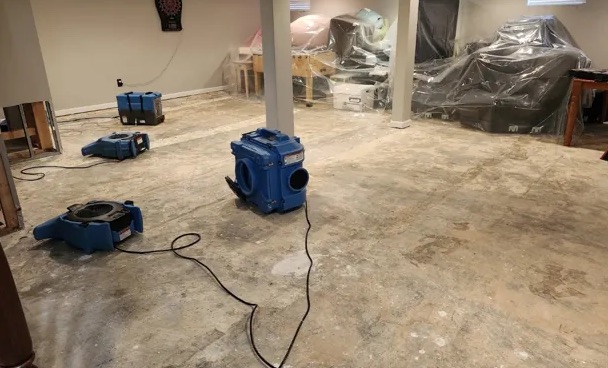
Temperature-Controlled Drying by Local Moisture Control Experts in Barrington
In Barrington, the air itself can slow drying. Local pros run industrial dehumidifiers to strip moisture from the air so wet materials dry faster.
In Barrington and nearby Bristol, Swansea and Providence, local pros map moisture in walls and subfloors, then fit thermal drying and humidity control to the materials in the building.
Advanced Temperature-Controlled Drying Techniques in Barrington
Thermal Drying for Water Damage
Controlled heat speeds up drying of wet materials in Barrington, which helps prevent swelling wood and failed flooring adhesive.
Rapid Structural Drying Services
Rapid drying mitigates risk of long-term weaknesses or rot in wooden structures. The experts use specialized techniques like injecting dry air into wall cavities.
Air Mover Placement for Drying
The experts angle and space air movers in each room in Barrington so air flows evenly across every wet surface.
Climate-Controlled Drying Systems
For complex jobs, the experts use industrial equipment to keep humid air from re-wetting materials, so walls dry all the way through.
Moisture Mapping
Moisture mapping uses penetrating and non-penetrating meters to document water migration. This creates a blueprint of wet areas, including hidden moisture behind walls.
Signs You Need Professional Temperature-Controlled Drying in Barrington
Soft Drywall or Sagging Ceiling
Drywall feels spongy to the touch or a ceiling sags downward. This softness means the material is saturated and structurally compromised.
Damp Odors Persisting After Water
A musty smell lingers even after visible water is gone, indicating hidden moisture. That odor often signals mold or trapped dampness.
Paint Peeling or Bubbling Up
Paint loses adhesion and forms bubbles or peels away from the wall. This failure is caused by moisture trapped beneath the paint film.
Visible Mold Growth in Corners
Black, green or white specks in damp corners or on baseboards are usually mold, which means moisture has been there a while.
How Temperature-Controlled Drying Works in Barrington
Step 1: Initial Moisture Survey and Readings
Pros take baseline moisture readings across the property to plan the drying.
Step 2: Precision Air Mover Placement
Air movers are placed at set angles and distances to target specific wet materials.
Step 3: Deployment of Drying Systems
Dehumidifiers are sized to the moisture load and the size of the space.
Step 4: Ongoing Monitoring and Adjustment
Equipment is moved and adjusted as materials dry, so drying keeps moving.
Common Causes Requiring Structural Drying in Barrington
HVAC System Condensation Issues
A clogged condensate drain line causes an overflow inside the air handler. This water can soak insulation and ductwork, creating a hidden moisture issue.
Appliance Malfunction or Overflow
A failed washing machine hose, water heater or dishwasher can release many gallons onto the floor.
Undetected Plumbing Leaks
A slow drip behind a wall or under a slab saturates materials over time.
Poor Ventilation After a Flood
Closing up a wet room traps humid air, which slows drying and lets moisture soak further into materials.
Residential and Commercial Drying in Barrington, RI
Residential Temperature-Controlled Drying
At home, moisture hides in attics, crawl spaces and behind finished walls. Pros map it before setting up equipment so the whole house dries.
Commercial Temperature-Controlled Drying
In offices, schools and clinics, pros use quieter drying equipment that can run in occupied spaces, and document when drying is complete.
Temperature-Controlled Drying: DIY Risks vs. Professional Care in Barrington
After the water is removed, wipe hard surfaces like tile or sealed wood with a disinfectant, and shut off the water source if it is still leaking.
Factors in Temperature-Controlled Drying Pricing for Barrington, RI
In Barrington, the main price factors are how long drying takes and which equipment, such as heaters or desiccants, is used.
Documentation Requirements
Detailed drying logs and moisture reports for insurance take extra time to prepare.
Drying Time Required
Longer drying periods for climate-controlled systems mean more equipment runtime and monitoring, impacting the overall cost of the restoration project.
Equipment Needs
The number and type of air movers, dehumidifiers and heaters used affect the cost.
Does Insurance Cover Temperature-Controlled Drying?
The experts keep moisture readings and drying logs to support a claim. Policies differ, so verify coverage with your insurance representative.
Advantages of Hiring Local Experts in Barrington for Temperature-Controlled Drying
Structural Drying
The focus is on quickly extracting moisture from structural components to minimize warping, swelling, or the potential for mold growth.
Comprehensive Drying Logs
Detailed, chronological logs of moisture readings and equipment settings provide a transparent record of the entire temperature-controlled drying process.
Advanced Moisture Mapping
Moisture meters and thermal cameras find hidden wet pockets so every affected material is dried.
24/7 Temperature-Controlled Drying for Emergencies in Barrington
Water damage gets worse quickly as moisture spreads into materials. Call (617) 741-9207 24 hours a day to start drying in Barrington.
Call Now (617) 741-9207Temperature-Controlled Drying for Barrington and Surrounding Regions
The pros dry structures and control humidity in Barrington and communities such as Bristol, Swansea and Providence.
- Temperature-Controlled Drying in Bristol
- Temperature-Controlled Drying in Swansea
- Temperature-Controlled Drying in Providence
- Temperature-Controlled Drying in Fall River
- Temperature-Controlled Drying in Somerset
- Temperature-Controlled Drying in Taunton
- Temperature-Controlled Drying in Mansfield
- Temperature-Controlled Drying in New Bedford
- Emergency Damage Restoration in 02806
- Storm Damage Restoration in 02806
- Water Damage Restoration in 02806
- Water Extraction Service in 02806
- Water Leak Detection in 02806
- Water Removal Service in 02806
Common Temperature-Controlled Drying Questions Answered
How is drying progress verified during moisture monitoring?
Progress is verified by taking comparative moisture readings with penetrating and non-penetrating meters over time, ensuring levels drop to established dry standards for each material.
How does humidity control aid in restoration?
Drier air pulls water out of wet materials faster, so lowering humidity speeds up drying.
When is climate-controlled drying necessary versus regular drying?
Climate-controlled drying is necessary for severe losses, sensitive materials, or when precise environmental control is needed to prevent damage, unlike simple air drying for minor spills.
What is the strategy behind air mover placement?
They are angled to move air across wet surfaces in a pattern, so moisture evaporates into the air where dehumidifiers can capture it.
Is temperature-controlled drying safe for electronics or artwork?
Yes, when the pros use low heat and careful humidity control, it can be safe for drying sensitive materials and belongings.