Trusted by 165+ Homeowners
Subfloor Water Extraction in Hull, MA
- Over 167 5-Star Reviews
- Free Estimates and Quotes
- 100% Satisfaction Guaranteed
- Child, Family & Pet Safe Steps
- 24-Hour Emergency Service
- Fully Licensed & Insured
Expert Subfloor Water Extraction in Hull, MA
With over 15 years of experience handling subfloor water extraction in Hull, MA, our team has seen it all. From leaky pipes in old homes to torrential downpours that flood basements, we’ve helped homeowners like you get back on their feet. You’re not just dealing with water damage – you’re dealing with a disruption to your life, and that’s what we’re here to fix. Water damage can be a stressful experience especially if you’re not sure where to turn or how to get started. Our team is here to guide you through every step of the process.
We’re proud to say that our customers have left us with a 165+ five-star review rating, and for good reason. With subfloor water extraction, you want a team that’s local, reliable, and knows the ins and outs of the area. Our team of technicians are IICRC certified and have years of experience working with homeowners in Hull, MA.
- Quick response times to reduce damage and get you back to normal ASAP
- State-of-the-art equipment to extract water and dry your subfloor efficiently and effectively
- Free estimates to ensure you get the right solution for your budget and needs upfront
How Our Subfloor Water Extraction Process Works
We understand that subfloor water extraction can be a daunting process, especially if you’re not sure what to expect. That’s why we’re committed to transparency and open communication throughout the entire process. Our team will work with you to identify the source of the leak, remove the water, dry the area, and prevent future damage. Every step of the way, we’ll keep you informed and make sure you’re comfortable with what’s happening.
Step 1: Inspection and Assessment
Our team will arrive at your property within 60 minutes and begin assessing the damage. This is the first step in determining the extent of the water damage and identifying the source of the leak. We’ll use specialized equipment to detect moisture and identify areas of concern.
Step 2: Water Extraction
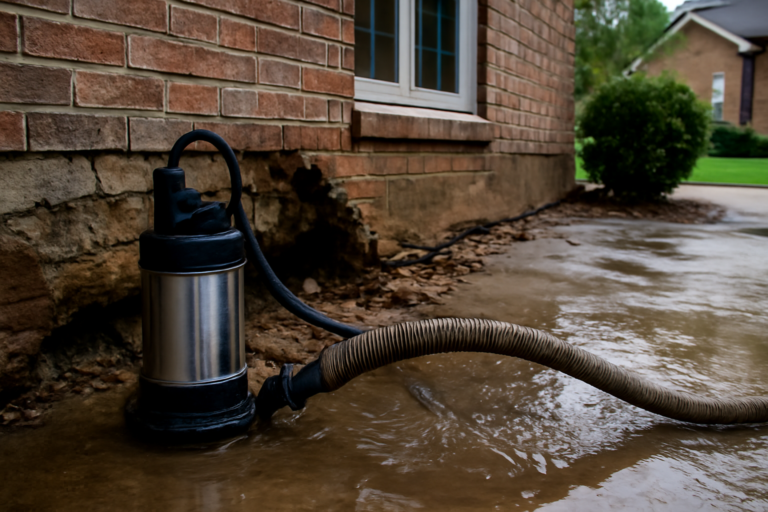
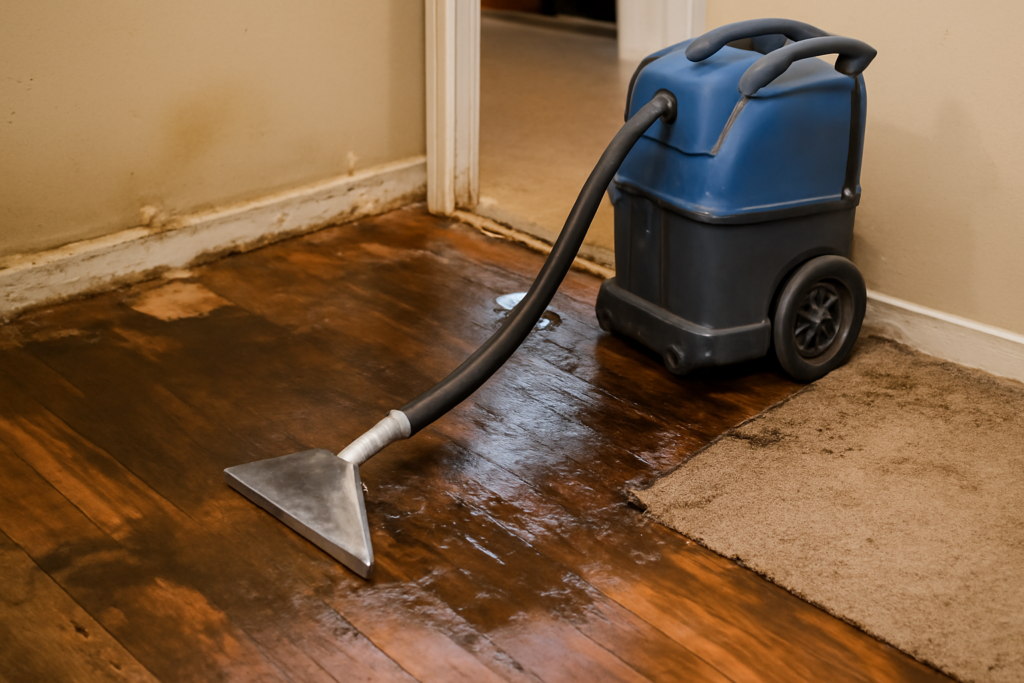
Once we’ve identified the affected areas, our team will begin extracting the water using state-of-the-art equipment. This includes powerful pumps and specialized vacuums that can remove up to 2 inches of standing water in a single pass.
Step 3: Drying and Dehumidification
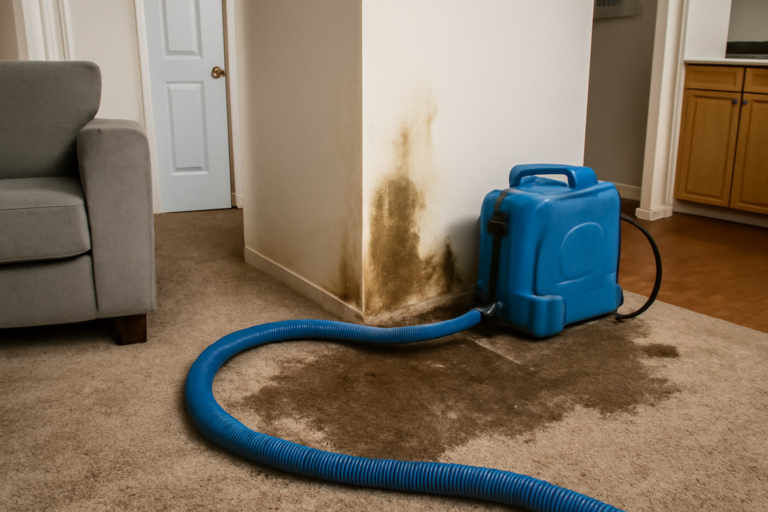
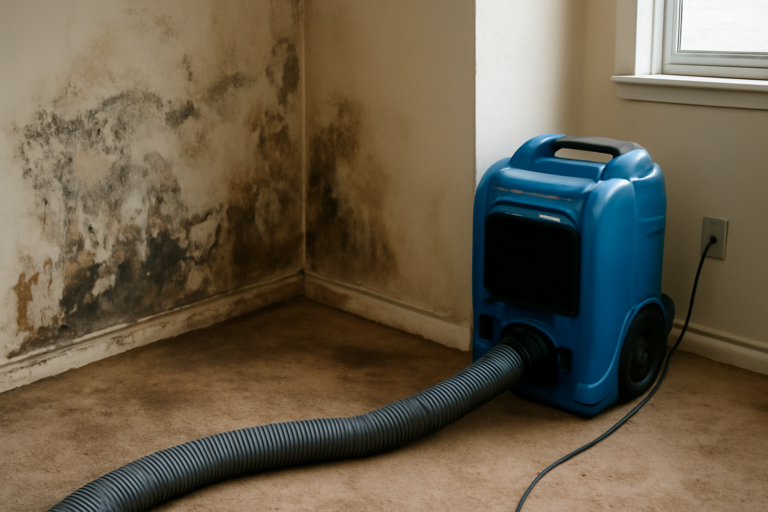
After the water has been extracted, our team will begin drying the affected areas using specialized equipment. This includes desiccant dehumidifiers and air movers that work together to remove moisture from the air and speed up the drying process.
Step 4: Cleaning and Disinfecting
Once the area is dry, our team will begin cleaning and disinfecting the affected areas to prevent the growth of mold and mildew. We’ll use specialized cleaning solutions and equipment to make sure the area is safe and healthy for you and your family.
Step 5: Restoration and Repair
Finally, our team will work with you to restore and repair any damaged areas. This may include replacing drywall, repairing flooring, and repainting walls to match the original finish.
Don’t wait until the damage is irreversible – call us today to schedule a free estimate and let us get started on the road to recovery. Our team is here to help you every step of the way.
Warning Signs You Need Subfloor Water Extraction
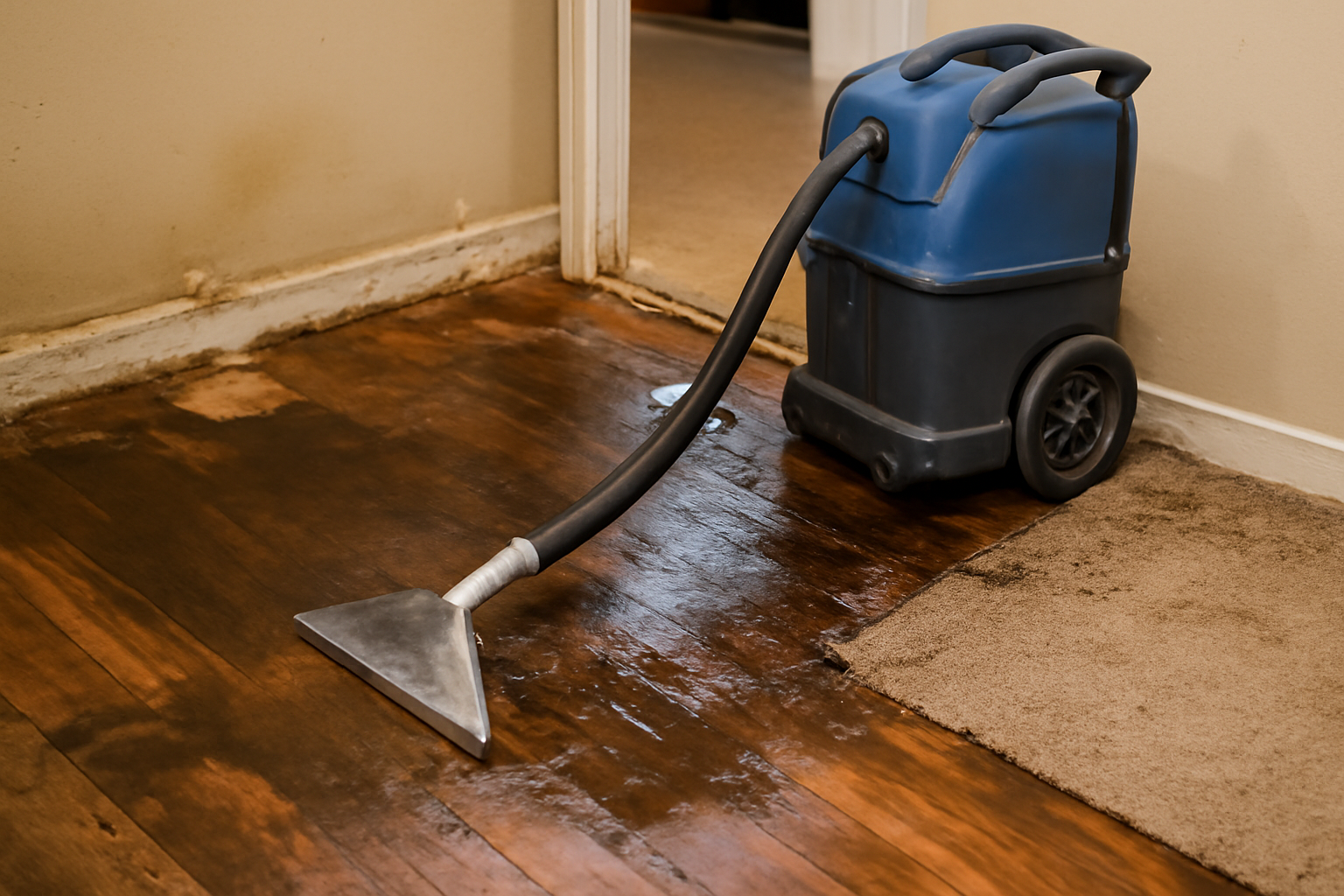
Catching the signs of subfloor water extraction early can save you time, money, and stress in the long run. Don’t ignore these warning signs – they could be indicative of a bigger problem waiting to happen.
Musty Odors That Won’t Go Away
Strong, unpleasant odors that linger long after a storm or leak can be a sign of subfloor water extraction. These odors are often caused by the growth of mold and mildew in damp environments.
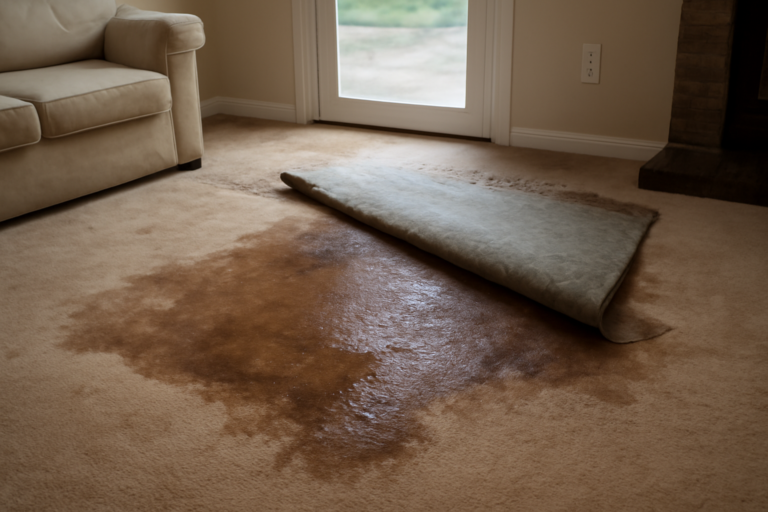
Warped or Buckled Flooring
Warped or buckled flooring can be a sign of subfloor water extraction. This is often caused by water seeping into the subfloor and causing damage to the underlying structure.
Stains on Walls or Ceilings
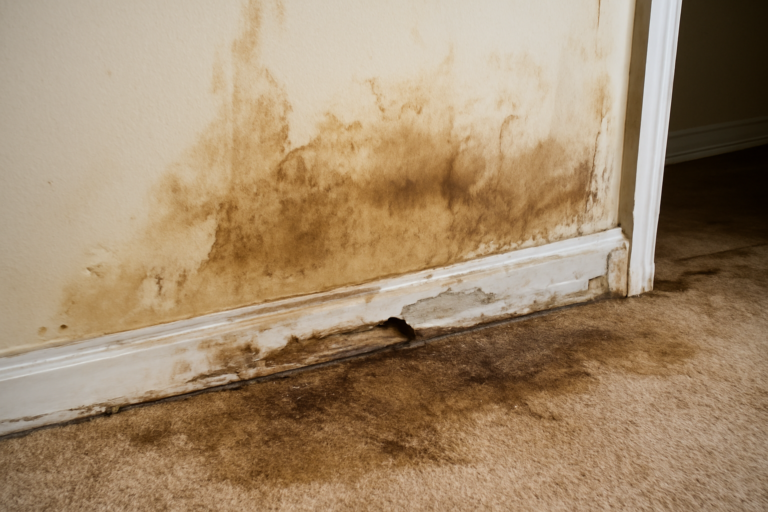
Stains on walls or ceilings can be a sign of subfloor water extraction. These stains are often caused by water seeping into the walls or ceiling and leaving behind unsightly marks.
Peeling Paint or Wallpaper
Peeling paint or wallpaper can be a sign of subfloor water extraction. This is often caused by water seeping into the walls and causing damage to the paint or wallpaper.
Water Droplets on Ceilings or Walls
Water droplets on ceilings or walls can be a sign of subfloor water extraction. These droplets are often caused by water seeping into the walls or ceiling and leaving behind visible signs of damage.
Discolored or Soft Wood
Discolored or soft wood can be a sign of subfloor water extraction. This is often caused by water seeping into the wood and causing damage to the underlying structure.
Subfloor Water Extraction vs. DIY: When To Call a Professional
| Situation | DIY? | Call a Pro? | Why |
|---|---|---|---|
| Small leak in a bathroom or kitchen | Yes | No | You can likely fix it yourself with a few basic tools and some DIY knowledge. |
| Large flood in a basement or crawlspace | No | Yes | This needs specialized equipment and expertise to extract water and dry the area safely and effectively. |
| Musty odors or stains on walls or ceilings | No | Yes | This could be a sign of subfloor water extraction, and a professional should be called to assess and fix the issue. |
| Warped or buckled flooring | No | Yes | This needs specialized expertise to fix the subfloor and prevent further damage. |
| Peeling paint or wallpaper | No | Yes | This could be a sign of subfloor water extraction, and a professional should be called to assess and fix the issue. |
| Water droplets on ceilings or walls | No | Yes | This needs specialized expertise to fix the underlying issue and prevent further damage. |
Don’t risk your health and safety by trying to fix subfloor water extraction yourself – call a professional who has the training, equipment, and expertise to get the job done right. Our team is here to help you every step of the way.
Subfloor Water Extraction Cost In Hull, MA
The cost of subfloor water extraction can vary depending on the severity of the damage, the size of the affected area, and local conditions in Hull, MA. Our team will work with you to provide a free estimate and help you understand the costs involved.
| Service | Typical Price Range | What Affects Cost |
|---|---|---|
| Water Extraction | $500 – $2,500 | The size of the affected area, the amount of water, and the complexity of the job. |
| Drying and Dehumidification | $300 – $1,500 | The size of the affected area, the level of moisture, and the equipment needed. |
| Cleaning and Disinfecting | $200 – $1,000 | The size of the affected area, the level of contamination, and the cleaning solutions used. |
| Restoration and Repair | $1,000 – $5,000 | The extent of the damage, the materials needed, and the labor involved. |
The final cost of subfloor water extraction will depend on the specifics of your situation and the services you need. Our team will work with you to provide a free estimate and help you understand the costs involved.
Service Areas Near Hull, MA
We serve the following communities in and around Hull, MA: Cohasset, Scituate, Hingham, Hanover, Norwell, Marshfield, Duxbury, Plymouth, Kingston, and more.
Common Questions About Subfloor Water Extraction
What Causes Subfloor Water Extraction?
Subfloor water extraction is often caused by leaks in pipes, appliances, or roofs, as well as heavy rainfall or flooding. Our team will work with you to identify the source of the leak and fix it.
How Long Does Subfloor Water Extraction Take?
The length of time it takes to complete subfloor water extraction depends on the severity of the damage, the size of the affected area, and the complexity of the job. Our team will work with you to provide a timeline and keep you updated throughout the process.
Is Subfloor Water Extraction Covered by Insurance?
Subfloor water extraction may be covered by insurance, depending on the circumstances of the damage and your policy. Our team will work with you to navigate the insurance process and ensure you get the coverage you need.
How Can I Prevent Subfloor Water Extraction?
Preventing subfloor water extraction needs regular maintenance and inspections of your home’s systems and infrastructure. Our team recommends checking your pipes, appliances, and roof regularly to catch any issues before they become major problems.
Check Our Other Relevant Services

Theodore Benson is a licensed Damage Restoration Expert with over 20 years of hands-on experience in disaster recovery and structural mitigation. As a seasoned industry authority, Theodore has spent two decades mastering the technical complexities of environmental safety, providing homeowners with the reliable expertise and steady leadership required to navigate high-stress property losses with absolute confidence.
𝗖𝗲𝗿𝘁𝗶𝗳𝗶𝗰𝗮𝘁𝗶𝗼𝗻𝘀: Theodore holds elite IICRC credentials, including Water Damage Restoration (WRT), Applied Structural Drying (ASD), Mold Remediation (AMRT), Fire and Smoke Restoration (FSRT), and Odor Control (OCT).
𝗙𝗮𝘃𝗼𝗿𝗶𝘁𝗲 𝗣𝗮𝘀𝘁𝗶𝗺𝗲: An enthusiast of precision and craftsmanship, Theodore enjoys restoring vintage clocks and coastal sailing, hobbies that reflect the patience and attention to detail he brings to every restoration project.
𝗕𝗲𝘀𝘁 𝗣𝗮𝗿𝘁 𝗼𝗳 𝘁𝗵𝗲 𝗷𝗼𝗯: He finds the most fulfillment in providing a clear path forward for families, turning a site of devastation back into a safe, comfortable, and healthy home.