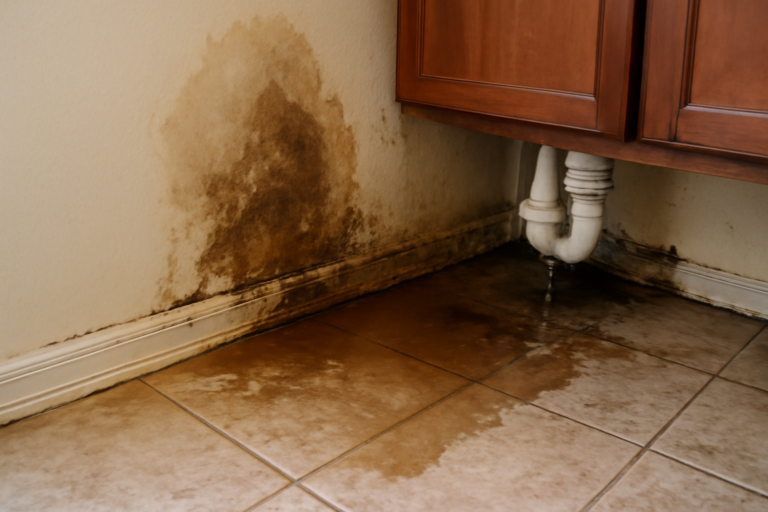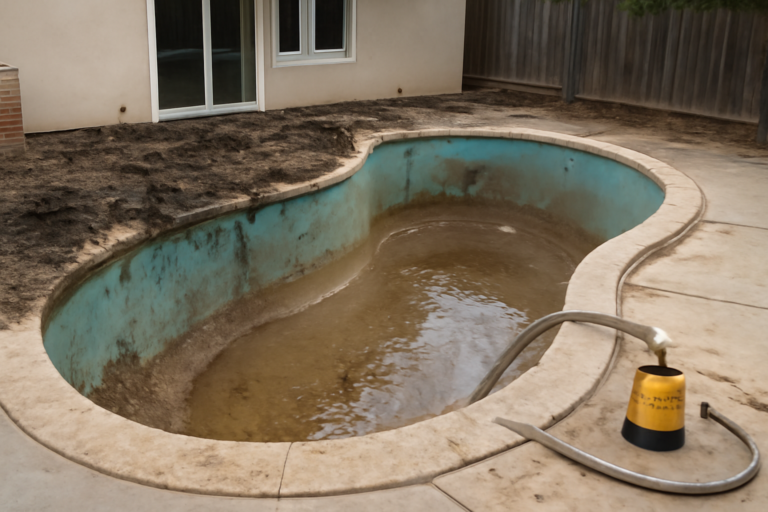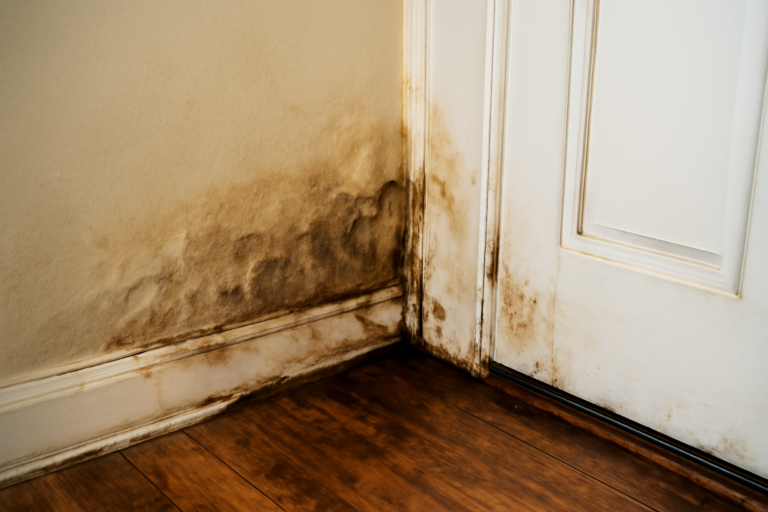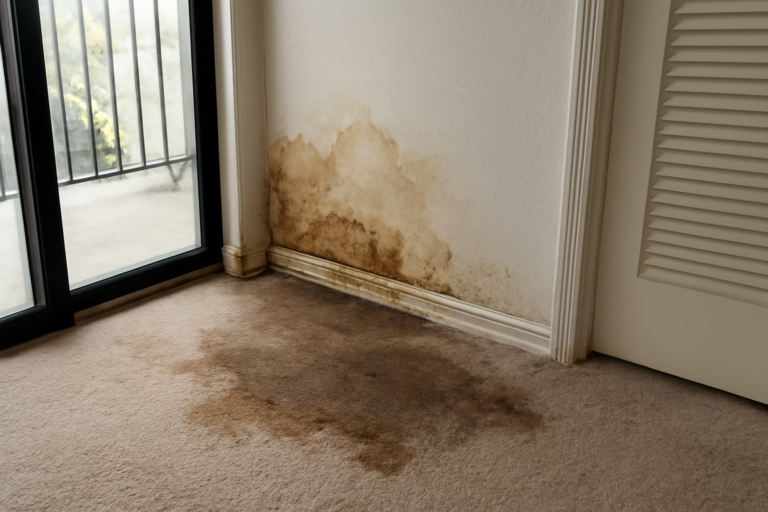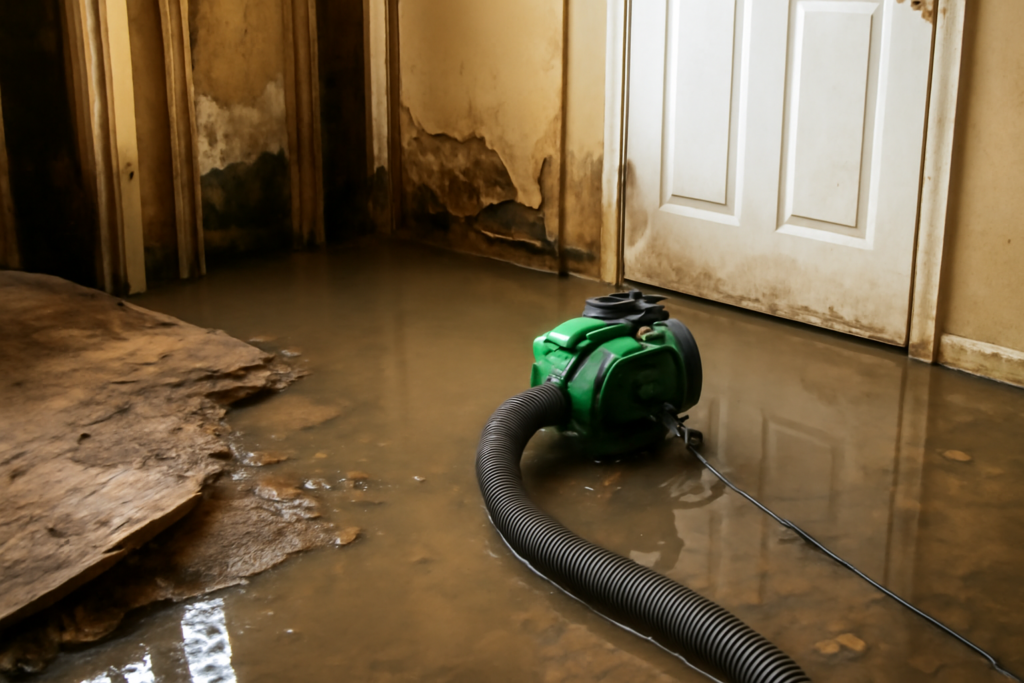
Sewer Backup Water Removal in Concord, NH
Trusted by 165+ Homeowners
When You Notice the Unpleasant Smell of Sewer Backup Water in Your Home
You’re in the middle of the night, getting a glass of water from the kitchen when you notice a pungent smell. It’s not just the usual household odor, but something more putrid. You follow the scent and find a growing pool of water on the floor. You quickly realize it’s not just water, but a sewer backup. The thought of contaminated water and potential health risks sends a chill down your spine. You know you need to act fast, but where do you start? Our team of professionals is here to guide you through the process of removing sewer backup water from your home.
We’ve helped over 165 homeowners in the area recover from sewer backup water damage, and we’re confident we can do the same for you. Our technicians are IICRC certified and have the experience to handle even the toughest cases. Don’t let sewer backup water damage ruin your home and your health, call us today to get started.
- Our team uses advanced equipment to detect and measure moisture levels in your home, ensuring a thorough and efficient drying process.
- We use a combination of air movers and dehumidifiers to speed up the drying process and prevent further damage.
- Our technicians are trained to identify and address potential health risks associated with sewer backup water, such as mold growth and bacterial contamination.
How Our Sewer Backup Water Removal Process Works
Our process for removing sewer backup water is designed to be fast, efficient, and effective. We understand that every minute counts when dealing with contaminated water, and that’s why we move quickly to assess the damage and develop a plan to restore your home to its pre-damage state.
Step 1: Assessment and Containment
Our technicians quickly assess the damage and contain the affected area to prevent further water spread. This step is crucial in preventing further damage and ensuring the safety of your family.
Step 2: Water Extraction
We use powerful pumps to remove standing water from your home. Our goal is to remove as much water as possible to prevent further damage and reduce the risk of mold growth.
Step 3: Drying and Dehumidification
We use a combination of air movers and dehumidifiers to speed up the drying process. Our technicians work to ensure that your home is completely dry, which can take anywhere from 3-5 days depending on the severity of the damage.
Step 4: Sanitizing and Disinfecting
We use specialized equipment to sanitize and disinfect the affected area. This step is critical in preventing the growth of mold and bacteria, which can pose serious health risks.
Step 5: Restoration and Reconstruction
We work with you to restore your home to its pre-damage state. This may involve repairing or replacing damaged materials, such as drywall, flooring, and cabinets.
Don’t wait any longer to address the sewer backup water damage in your home. Our team is here to help you every step of the way. Call us today to schedule a consultation and get started on the path to recovery.
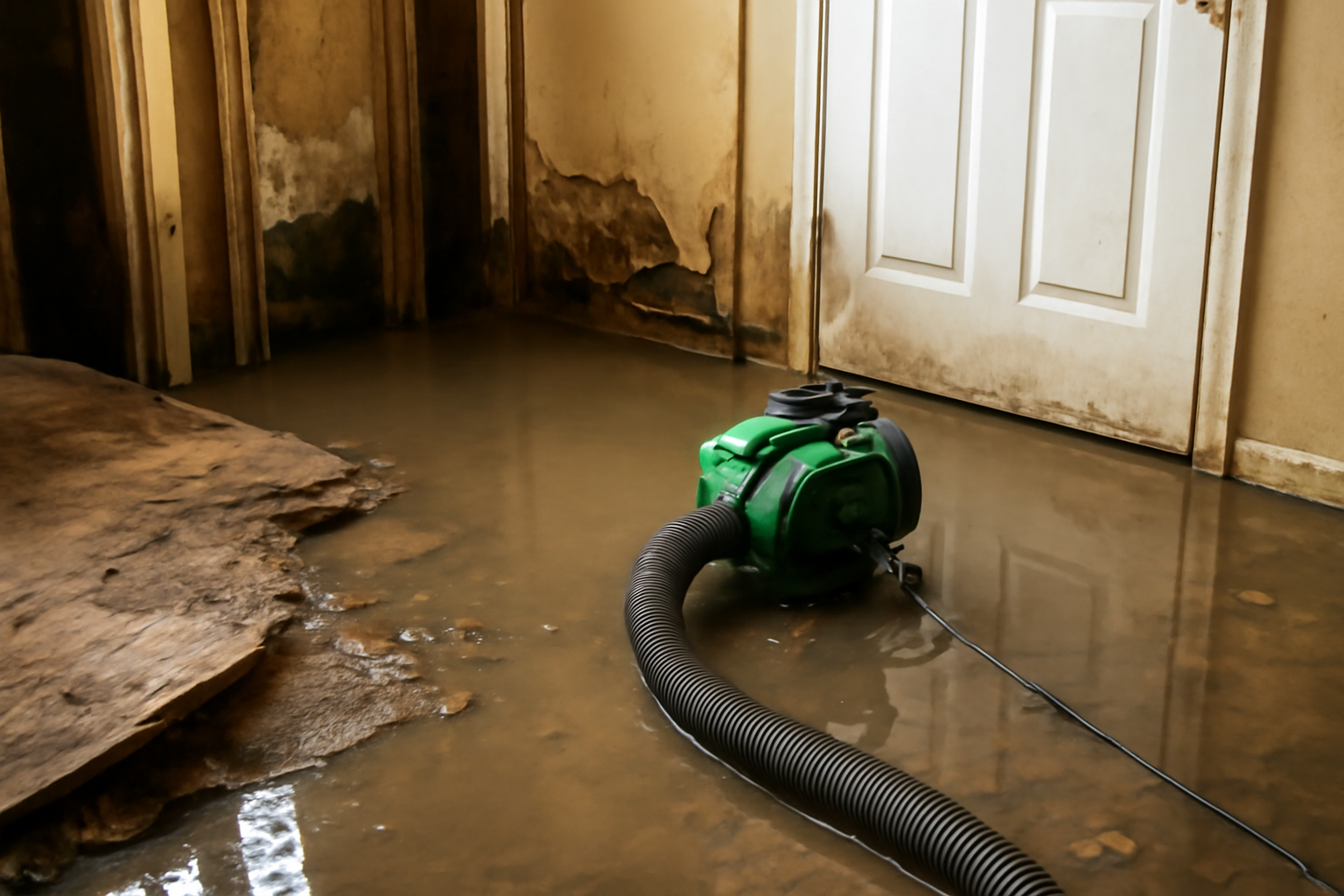
Warning Signs You Need Sewer Backup Water Removal
Catching sewer backup water damage early can save you money and prevent bigger problems down the line. Here are some common warning signs to look out for:
Musty Odors That Won’t Go Away
Unpleasant odors can be a sign of sewer backup water damage. If you notice a persistent, pungent smell in your home, it’s time to investigate further.
Water Stains on the Ceiling or Walls
Water stains can be a sign of a larger issue. If you notice water stains on your ceiling or walls, it’s essential to address the problem quickly to prevent further damage.
Warped or Buckled Flooring
Warped or buckled flooring can be a sign of water damage. If you notice your flooring is warped or buckled, it’s time to call a professional to assess the damage.
Discoloration or Fading of Paint or Wallpaper
Discoloration or fading of paint or wallpaper can be a sign of water damage. If you notice your paint or wallpaper is discoloring or fading, it’s essential to address the issue quickly.
Mold or Mildew Growth
Mold or mildew growth can pose serious health risks. If you notice mold or mildew growth in your home, it’s time to call a professional to assess and address the issue.
Unusual Sounds or Gurgling Noises
Unusual sounds or gurgling noises can be a sign of sewer backup water damage. If you notice unusual sounds or gurgling noises coming from your pipes, it’s time to investigate further.
Sewer Backup Water Removal vs. DIY: When To Call a Professional
| Situation | DIY? | Call a Pro? | Why |
|---|---|---|---|
| Small leak in the kitchen sink | Yes | No | You can likely fix the leak yourself with a DIY repair kit. |
| Water damage from a burst pipe in the basement | No | Yes | This type of damage needs specialized equipment and expertise to properly clean and dry the area. |
| Musty odors in the bathroom | No | Yes | Unpleasant odors can be a sign of a larger issue, such as sewer backup water damage, which needs professional attention. |
| Warped or buckled flooring in the living room | No | Yes | Warped or buckled flooring can be a sign of water damage, which needs professional attention to properly assess and repair. |
| Discoloration or fading of paint or wallpaper in the bedroom | No | Yes | Discoloration or fading of paint or wallpaper can be a sign of water damage, which needs professional attention to properly assess and repair. |
| Mold or mildew growth in the attic | No | Yes | Mold or mildew growth can pose serious health risks and needs professional attention to properly assess and address the issue. |
Don’t risk your health and safety by trying to tackle sewer backup water damage on your own. Our team of professionals is here to help you every step of the way. Call us today to schedule a consultation and get started on the path to recovery.
Sewer Backup Water Removal Cost in Concord, NH
The cost of sewer backup water removal can vary depending on the severity of the damage, the size of the affected area, and local conditions in Concord, NH. Our team will provide a free estimate for the work, but here are some general price ranges to expect:
| Service | Typical Price Range | What Affects Cost |
|---|---|---|
| Assessment and Containment | $500 – $2,500 | Severity of damage, size of affected area, and complexity of containment. |
| Water Extraction | $1,000 – $5,000 | Amount of water, type of flooring or materials, and equipment needed. |
| Drying and Dehumidification | $500 – $2,500 | Size of affected area, type of materials, and equipment needed. |
| Sanitizing and Disinfecting | $500 – $2,000 | Severity of damage, size of affected area, and type of equipment needed. |
| Restoration and Reconstruction | $2,000 – $10,000 | Severity of damage, size of affected area, and type of materials needed. |
The exact cost of sewer backup water removal will depend on the specifics of your situation. Our team will provide a free estimate for the work, and we’ll work with you to ensure that you get the best possible outcome for your home and your budget.
Service Areas Near Concord, NH
We serve the following communities in the Concord, NH area:
Bow, NH, Canterbury, NH, Chichester, NH, Concord, NH, Epsom, NH, Hopkinton, NH, Loudon, NH, Northwood, NH, Pittsfield, NH, Salisbury, NH, Sutton, NH, and Warner, NH.
Common Questions About Sewer Backup Water Removal
Will my insurance cover the cost of sewer backup water removal?
Yes, most insurance policies cover sewer backup water damage. But, the specifics of your policy will depend on your provider and coverage. Our team will work with you to navigate the claims process and ensure that you get the coverage you need.
How long will it take to dry out my home after a sewer backup?
The drying time will depend on the severity of the damage and the size of the affected area. In general, it can take anywhere from 3-5 days to completely dry out a home after a sewer backup. Our team will work with you to ensure that your home is completely dry and safe for occupancy.
Can I use bleach to clean and disinfect the affected area?
No, bleach is not recommended for cleaning and disinfecting sewer backup water damage. Bleach can actually damage certain materials and create new problems. Our team uses specialized equipment and techniques to safely and effectively clean and disinfect the affected area.
How can I prevent sewer backup water damage in the future?
Regular maintenance and inspections can help prevent sewer backup water damage. Our team recommends that you have your sewer lines inspected and cleaned regularly to prevent clogs and backups. You should also be mindful of what you flush down your drains and avoid pouring grease and other hazardous materials down the drain.
Check Our Other Relevant Services
Serving Concord, NH And Nearby Areas