Trusted by 165+ Homeowners
Hydrostatic Pressure Water Removal in Randolph, MA
- Over 167 5-Star Reviews
- Free Estimates and Quotes
- 100% Satisfaction Guaranteed
- Child, Family & Pet Safe Steps
- 24-Hour Emergency Service
- Fully Licensed & Insured
Hydrostatic Pressure Water Removal in Randolph, MA: What You Need to Know
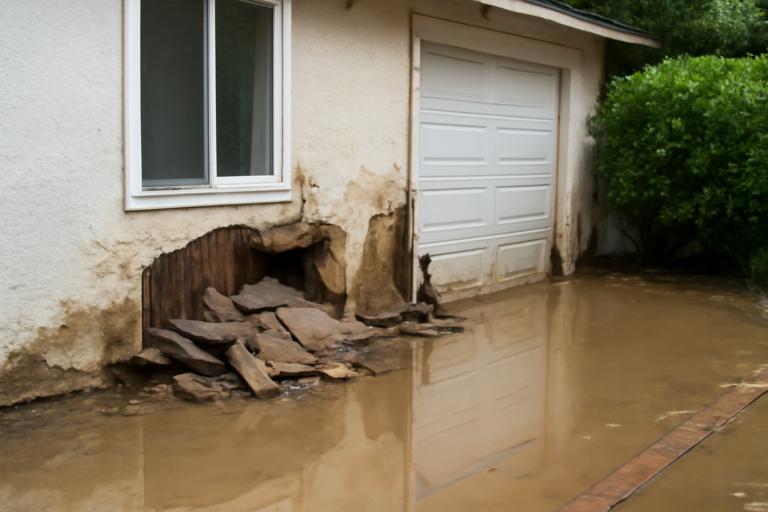
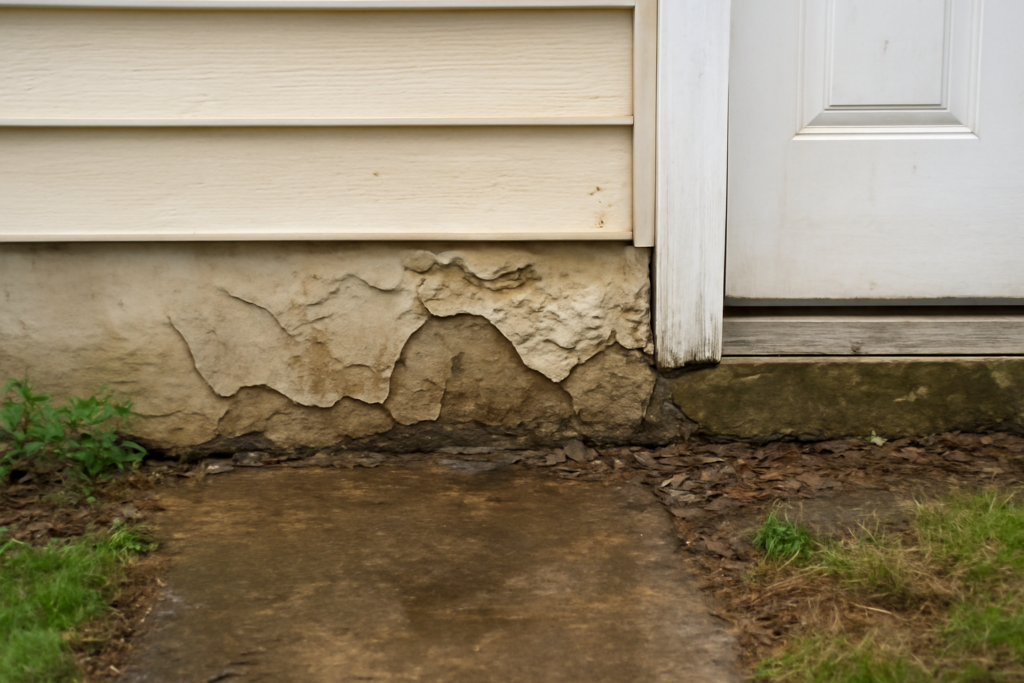
Living in Randolph, MA, you’re no stranger to heavy rainfall and snowmelt. In fact, did you know that Randolph averages around 45 inches of precipitation annually? That’s a lot of water, and it can put a lot of pressure on your home’s foundation and plumbing system. If you’re noticing water stains, mineral deposits, or even a musty smell in your basement, it might be a sign that hydrostatic pressure is at play. Our team is here to help you prevent further damage and get back to normal.
We’ve helped over 165 homeowners in the area with their hydrostatic pressure water removal needs, and we’re confident that our team is the right choice for you. Our technicians are IICRC-certified and dedicated to getting the job done right, so you can trust that your property is in good hands.
- Our hydrostatic pressure water removal service can help prevent costly foundation repairs and basement flooding, saving you thousands of dollars in the long run.
- We use state-of-the-art equipment to quickly and efficiently remove standing water and dry out your affected areas, reducing downtime and disruption to your daily life.
- Our team is experienced in navigating the complex world of insurance claims, ensuring that you receive the maximum reimbursement for your losses.
How Hydrostatic Pressure Water Removal Actually Works
With hydrostatic pressure water removal, the process is more than just a simple fix. It needs a thorough understanding of the underlying causes of the issue, as well as the right equipment and expertise to get the job done. Our team takes a meticulous approach to every job, following these key steps:
Step 1: Inspection and Assessment
We’ll send one of our technicians to assess the damage and create a customized plan to address the issue. This includes identifying the source of the water, checking for any structural damage, and determining the best course of action to remove the water and dry out the affected areas.
Step 2: Water Removal
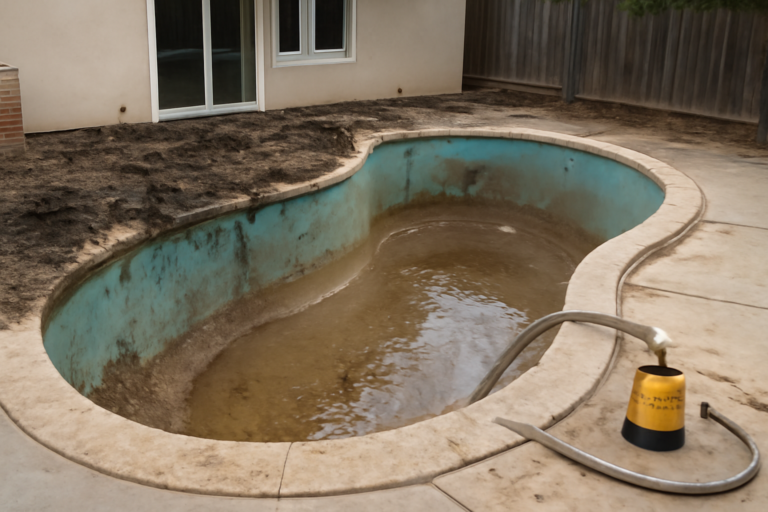
Using our powerful pumps and truck-mounted equipment, we’ll remove the standing water and any debris or sediment that’s accumulated. This is a critical step, as it helps prevent further damage and ensures that your property is safe to navigate.
Step 3: Drying and Dehumidification
Once the water is removed, we’ll use specialized equipment to dry out the affected areas and reduce humidity levels. This helps prevent mold growth, warping, and other issues that can arise from excess moisture.
Step 4: Cleaning and Sanitizing
After the area is dry, we’ll thoroughly clean and sanitize the space to remove any remaining bacteria, viruses, or other contaminants. This ensures that your property is safe and healthy for you and your family to occupy.
Step 5: Repair and Reconstruction
Depending on the extent of the damage, we may need to perform some repairs or reconstruction work to restore your property to its original state. This can include fixing drywall, painting, and other cosmetic touches to get your home looking like new again.
Don’t wait until the problem gets worse, contact our team today to schedule a free consultation and get the help you need to prevent further damage and get back to normal.
Warning Signs You Need Hydrostatic Pressure Water Removal
The sooner you catch hydrostatic pressure water damage, the less expensive and less stressful it will be to fix. Keep an eye out for these warning signs:
Musty Odors That Won’t Go Away
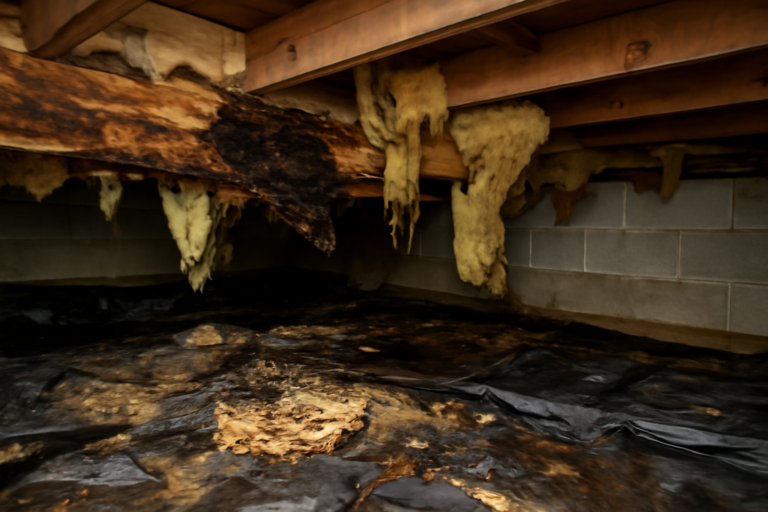
If you notice a persistent, unpleasant odor in your basement or crawlspace, it could be a sign that water is seeping into your home and creating an ideal environment for mold and mildew to grow.
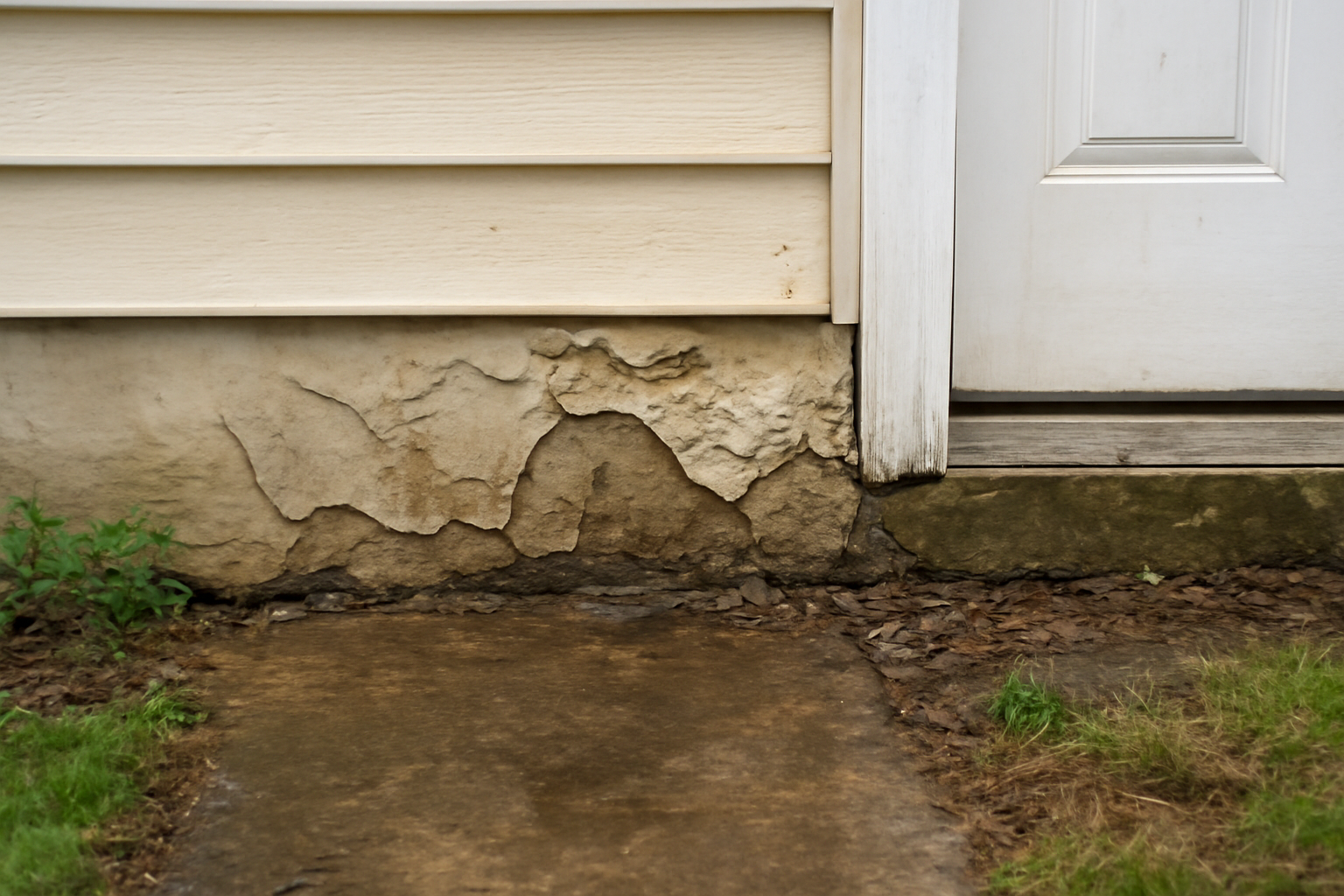
Water Stains or Mineral Deposits
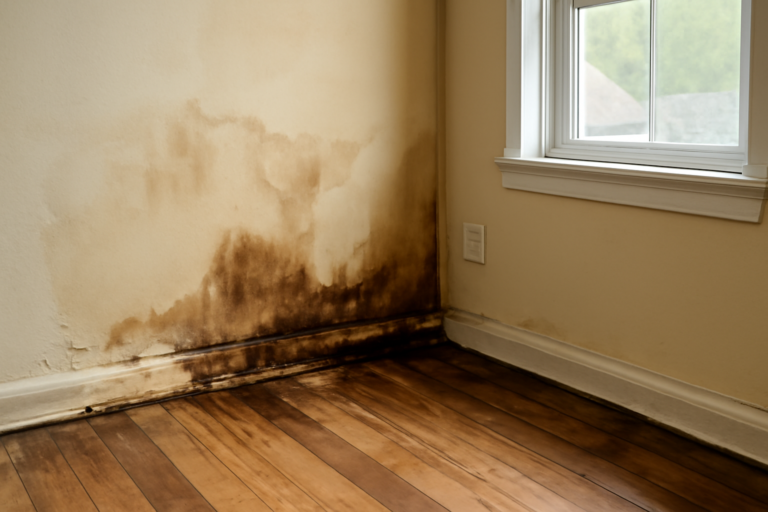
Look for unsightly water stains or mineral deposits on your walls, ceilings, or floors. These can be a sign that hydrostatic pressure is at play, and it’s time to take action before the damage gets worse.
Warped or Buckled Flooring
If your flooring is starting to warp or buckle, it could be a sign that water is seeping into the subfloor and causing structural issues.
Increased Humidity or Moisture
Notice an unusual musty smell or feel of dampness in your home? This could be a sign that there’s excess moisture present, which can lead to hydrostatic pressure water damage.
Foundation Cracks or Shifts
Observe any cracks or shifts in your home’s foundation? This could be a sign that hydrostatic pressure is causing the soil beneath your home to shift and put pressure on your foundation.
Increased Energy Bills
Notice a sudden spike in your energy bills? This could be a sign that your home is losing heat or cool air due to water seepage or structural issues.
Hydrostatic Pressure Water Removal vs. DIY: When To Call a Professional
| Situation | DIY? | Call a Pro? | Why |
|---|---|---|---|
| Visible water damage and extensive structural issues | No | Yes | Needs specialized equipment and expertise to safely and effectively repair. |
| Smaller-scale water damage (less than 100 sq. Ft.) | Yes | No | DIY-friendly and cost-effective for small areas. |
| Water damage in a crawl space or hard-to-reach area | No | Yes | Needs specialized equipment and safety gear to safely access and repair. |
| Mold or mildew growth | No | Yes | Needs professional-grade equipment and expertise to safely and effectively remediate. |
| Water damage in a high-risk area (e.g., near electrical parts) | No | Yes | Needs specialized training and equipment to safely and effectively repair. |
| Water damage in a highly trafficked or occupied area | No | Yes | Needs specialized equipment and safety gear to safely and effectively repair without disrupting daily life. |
With hydrostatic pressure water removal, it’s always best to err on the side of caution and call a professional. We’ve got the expertise, equipment, and experience to get the job done right and save you thousands of dollars in the long run.
Hydrostatic Pressure Water Removal Cost In Randolph, MA
The cost of hydrostatic pressure water removal can vary widely depending on the severity of the damage, the size of the affected area, and local conditions in Randolph, MA. Here are some estimated price ranges for different aspects of the service:
| Service | Typical Price Range | What Affects Cost |
|---|---|---|
| Emergency Response and Water Removal | $500 – $2,500 | Severity of damage, size of affected area, and local conditions. |
| Drying and Dehumidification | $1,000 – $5,000 | Size of affected area, number of equipment units required, and duration of drying process. |
| Water Damage Repair and Reconstruction | $3,000 – $10,000 | Extent of structural damage, materials required for repair, and labor costs. |
| Specialized Equipment Rentals | $500 – $2,000 | Duration of rental, type of equipment required, and local rental rates. |
| Disposal Fees and Permits | $500 – $2,000 | Size and type of materials to be disposed, local regulations and permit fees. |
Keep in mind that these estimates are based on real-world costs and may vary depending on your specific situation. Our team will provide a free, on-site assessment to find out the exact cost of the work required.
Service Areas Near Randolph, MA
Braintree, Brockton, Canton, Cohasset, Duxbury, Hanover, Hingham, Holbrook, Hull, Mansfield, Norwell, Pembroke, Quincy, Randolph, Scituate, Sharon, Stoughton, Walpole, Weymouth, Whitman
Common Questions About Hydrostatic Pressure Water Removal
Q: What causes hydrostatic pressure water damage?
A: Hydrostatic pressure water damage occurs when water from an outside source (e.g., rain, snowmelt, groundwater) seeps into your home through cracks and crevices, putting pressure on your foundation and walls. This can cause structural issues, water stains, and mineral deposits.
Q: How do I know if I have hydrostatic pressure water damage?
A: Look for warning signs like musty odors, water stains, warped or buckled flooring, increased humidity or moisture, and foundation cracks or shifts. If you notice any of these symptoms, it’s a good idea to call a professional for an assessment and repair.
Q: Can I do hydrostatic pressure water removal myself?
A: While it’s possible to try DIY hydrostatic pressure water removal, it’s not always the best idea. Without the right equipment and expertise, you may end up causing more damage or creating a bigger mess. It’s usually best to call a professional to get the job done right.
Q: How long does hydrostatic pressure water removal take?
A: The length of time required for hydrostatic pressure water removal depends on the severity of the damage, the size of the affected area, and the level of moisture present. In general, it can take anywhere from a few hours to several days to complete the work.
Q: Is hydrostatic pressure water removal covered by insurance?
A: In most cases, hydrostatic pressure water damage is covered by homeowner’s insurance. But, the specifics of your policy and the extent of coverage will depend on your individual situation. Our team is experienced in navigating insurance claims and can help you get the reimbursement you deserve.
Check Our Other Relevant Services

Theodore Benson is a licensed Damage Restoration Expert with over 20 years of hands-on experience in disaster recovery and structural mitigation. As a seasoned industry authority, Theodore has spent two decades mastering the technical complexities of environmental safety, providing homeowners with the reliable expertise and steady leadership required to navigate high-stress property losses with absolute confidence.
𝗖𝗲𝗿𝘁𝗶𝗳𝗶𝗰𝗮𝘁𝗶𝗼𝗻𝘀: Theodore holds elite IICRC credentials, including Water Damage Restoration (WRT), Applied Structural Drying (ASD), Mold Remediation (AMRT), Fire and Smoke Restoration (FSRT), and Odor Control (OCT).
𝗙𝗮𝘃𝗼𝗿𝗶𝘁𝗲 𝗣𝗮𝘀𝘁𝗶𝗺𝗲: An enthusiast of precision and craftsmanship, Theodore enjoys restoring vintage clocks and coastal sailing, hobbies that reflect the patience and attention to detail he brings to every restoration project.
𝗕𝗲𝘀𝘁 𝗣𝗮𝗿𝘁 𝗼𝗳 𝘁𝗵𝗲 𝗷𝗼𝗯: He finds the most fulfillment in providing a clear path forward for families, turning a site of devastation back into a safe, comfortable, and healthy home.