HVAC Leak Water Removal in Exeter, NH
Trusted by 165+ Homeowners
Exeter, NH’s Hidden Dangers: Preventing HVAC Leak Water Removal
Exeter, NH’s humid summers and freezing winters create the perfect storm for HVAC leak water removal. As temperatures fluctuate, your heating and cooling system works overtime, and the risk of water damage increases. You’re probably aware of the potential for burst pipes, but did you know that your HVAC system’s condensate drain line can also cause water damage? If not properly maintained, it can lead to costly repairs and even mold growth.
With over 165 five-star reviews, our team has earned the trust of homeowners in the area. They choose us for our expertise in HVAC leak water removal because we understand the importance of acting fast to prevent further damage. Our technicians are IICRC certified and equipped to handle even the toughest water removal jobs.
- Prevent water damage with regular HVAC maintenance and inspections.
- Identify early warning signs of a leak, such as musty odors or water stains.
- Call a professional for prompt and effective water removal services.
The Right Way to Remove Water from Your HVAC System
We take a thorough and meticulous approach to HVAC leak water removal. Our process ensures that every drop of water is extracted, and your property is restored to its original condition. Here’s what you can expect:
Step 1: Assessment and Containment
We’ll arrive within 60 minutes to assess the damage and contain the affected area to prevent further water spread. Our technicians will use specialized equipment to extract as much water as possible, reducing the risk of mold growth and structural damage.
Step 2: Water Extraction
We’ll use high-powered pumps and vacuums to extract water from the affected area. Our technicians will carefully remove wet insulation, drywall, and other materials to prevent further damage.
Step 3: Drying and Dehumidification
We’ll use industrial-grade dehumidifiers and air movers to dry out the affected area. This step is crucial in preventing mold growth and ensuring your property is safe to inhabit.
Step 4: Cleaning and Disinfection
We’ll thoroughly clean and disinfect the affected area to remove any remaining bacteria, viruses, or other contaminants.
Step 5: Restoration and Repairs
Our technicians will work with you to restore your property to its original condition. This may include repairs to damaged walls, floors, and ceilings, as well as replacement of any affected materials.
Don’t wait until it’s too late. Contact us today to schedule a free consultation and take the first step towards preventing costly water damage.
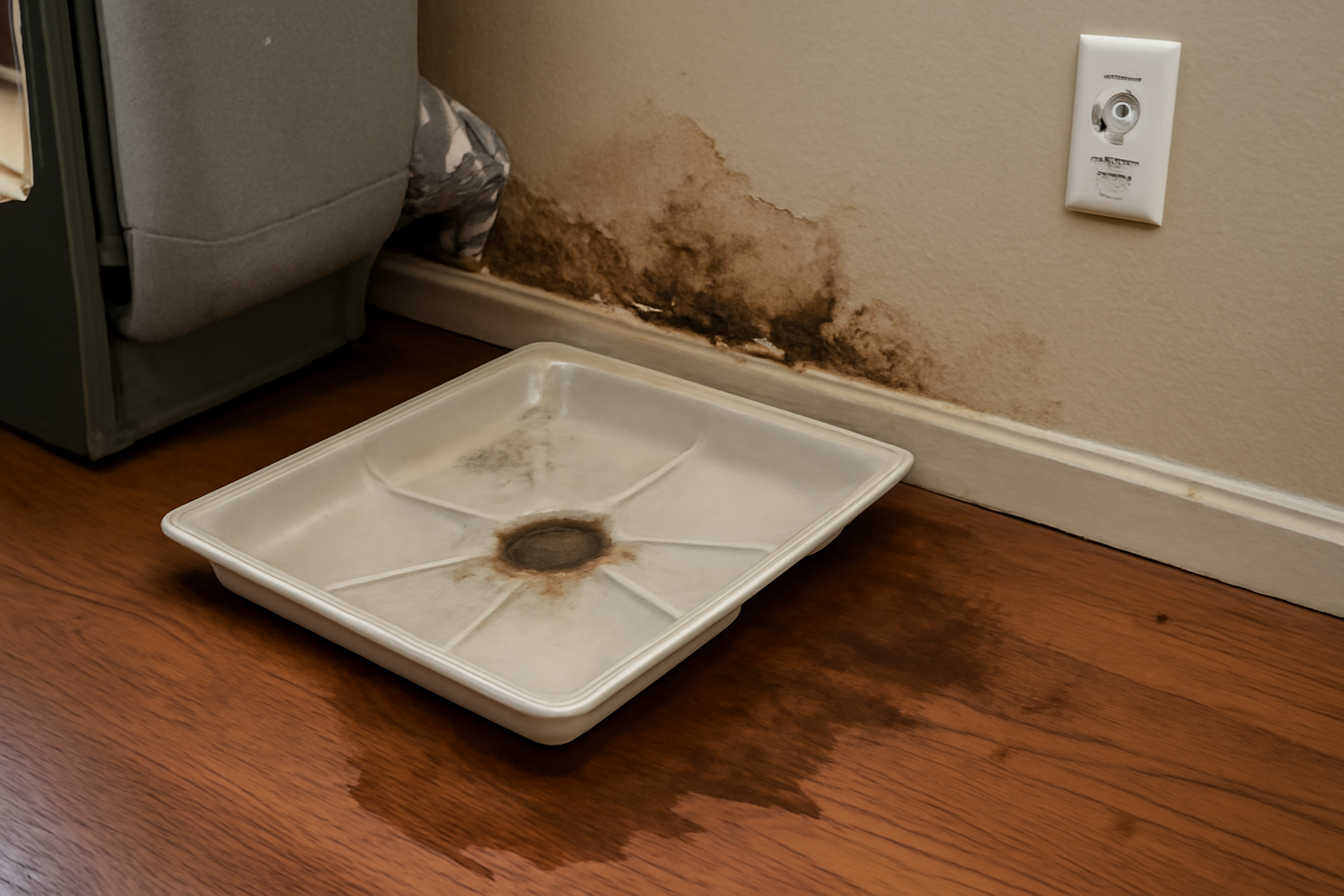
Warning Signs You Need HVAC Leak Water Removal
Ignoring the warning signs can lead to costly repairs and even health risks. Keep an eye out for these early signs of an HVAC leak:
Musty Odors That Won’t Go Away
Strong, unpleasant odors can show mold growth or a leak in your HVAC system. Don’t ignore these odors, as they can spread quickly and cause serious health issues.
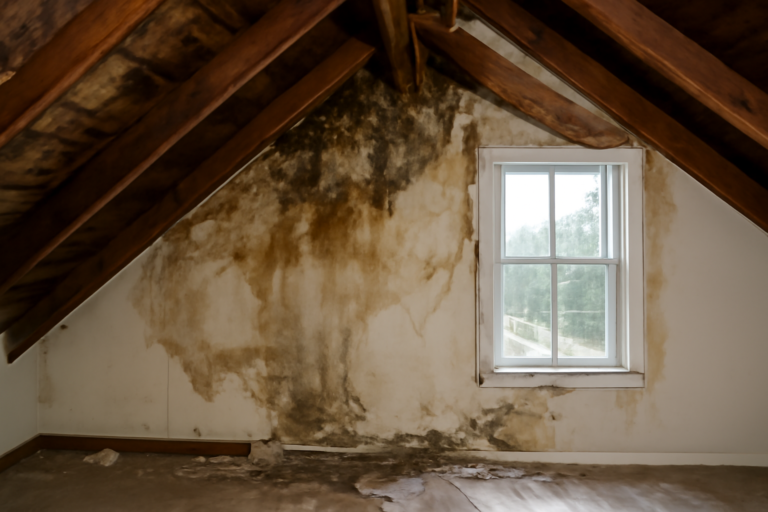
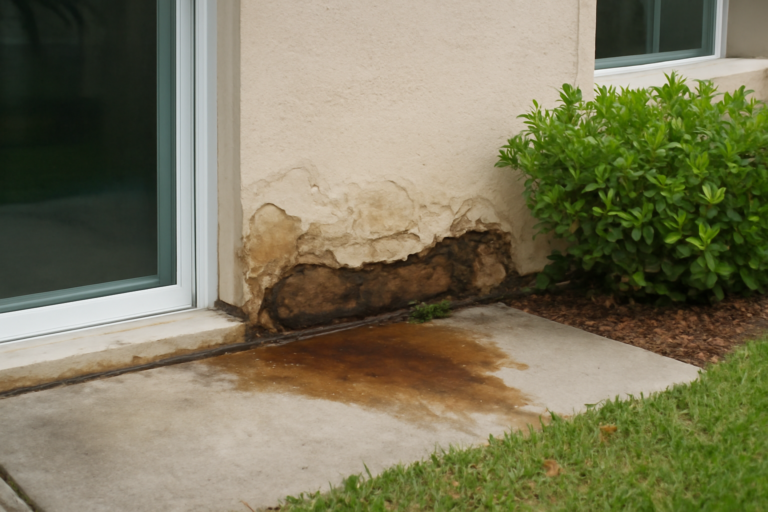
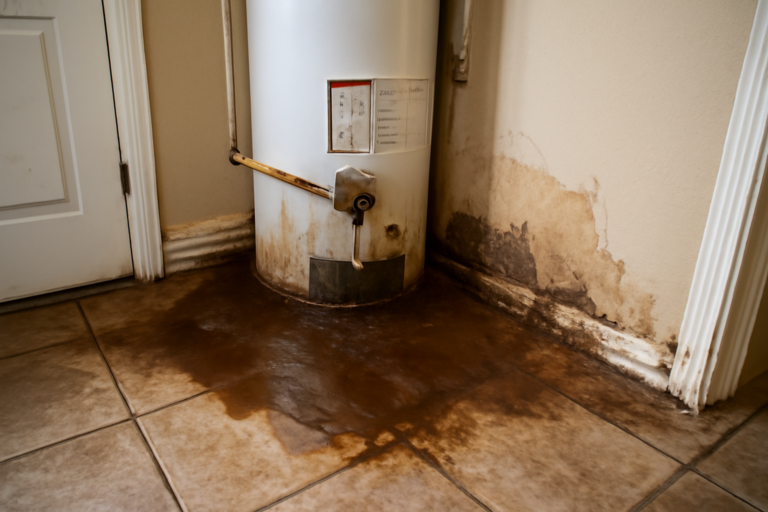
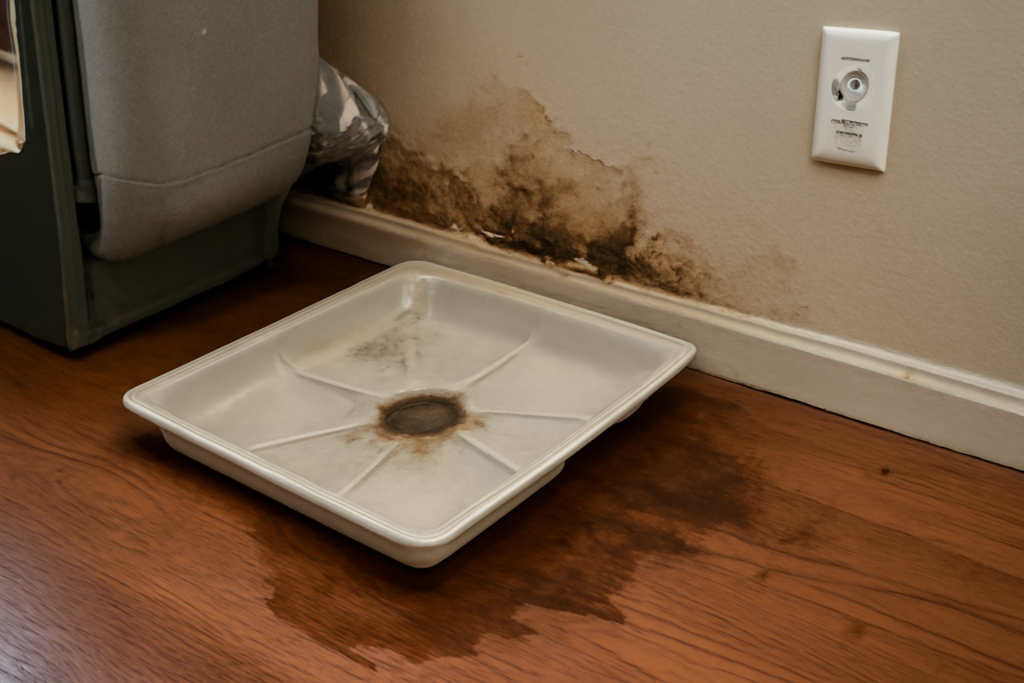
Water Stains on Your Ceiling or Walls
Water stains can be a sign of a leak in your roof, walls, or ceiling. These stains can lead to structural damage and even collapse if left unaddressed.
Unusual Noises from Your HVAC System
Unusual noises, such as hissing or gurgling sounds, can show a leak in your HVAC system. Don’t ignore these noises, as they can lead to costly repairs and even safety hazards.
Increased Energy Bills
Increased energy bills can be a sign of an inefficient HVAC system or a leak that’s causing your system to work harder. Don’t ignore these signs, as they can lead to costly repairs and even safety hazards.
Visible Water Leaks
Visible water leaks can be a sign of a serious issue with your HVAC system. Don’t ignore these leaks, as they can cause serious damage to your property and even lead to health risks.
HVAC Leak Water Removal vs. DIY: When To Call a Professional
| Situation | DIY? | Call a Pro? | Why |
|---|---|---|---|
| Small leak in a single room | Yes | No | You can likely handle a small leak with DIY equipment and techniques. |
| Large leak affecting multiple rooms | No | Yes | A large leak needs specialized equipment and expertise to prevent further damage. |
| Leak causing structural damage | No | Yes | Structural damage needs immediate attention from a professional to prevent collapse. |
| Leak causing health risks (mold growth, etc.) | No | Yes | Health risks need immediate attention from a professional to prevent serious health issues. |
| Leak in a hard-to-reach area (attic, crawl space, etc.) | No | Yes | Hard-to-reach areas need specialized equipment and expertise to prevent further damage. |
| Leak causing significant water damage | No | Yes | Significant water damage needs immediate attention from a professional to prevent costly repairs. |
While some small leaks may be handled with DIY equipment and techniques, it’s often best to call a professional for larger leaks or those causing structural damage, health risks, or significant water damage.
HVAC Leak Water Removal Cost in Exeter, NH
The cost of HVAC leak water removal in Exeter, NH can vary depending on the severity of the damage, the size of the affected area, and local conditions. Here’s a rough estimate of what you can expect to pay:
| Service | Typical Price Range | What Affects Cost |
|---|---|---|
| Water extraction and drying | $500 – $2,500 | Size of affected area, type of equipment needed |
| Repair of damaged materials (drywall, insulation, etc.) | $1,000 – $5,000 | Scope of repairs, type of materials needed |
| Replacement of damaged equipment (HVAC system, etc.) | $2,000 – $10,000 | Type of equipment needed, complexity of installation |
| Disinfection and cleaning services | $200 – $1,000 | Size of affected area, type of cleaning needed |
| Restoration and repairs (painting, flooring, etc.) | $1,000 – $5,000 | Scope of repairs, type of materials needed |
Exact pricing will depend on an on-site assessment and a free estimate from our team. Contact us today to schedule a consultation and take the first step towards preventing costly water damage.
Service Areas Near Exeter, NH
We serve the following areas: Brentwood, East Kingston, Epping, Fremont, Greenland, Hampton, Hampton Falls, Kensington, Newfields, Newington, North Hampton, Nottingham, Rye, Seabrook, South Hampton, Stratham, and Wakefield.
Common Questions About HVAC Leak Water Removal
Q: Is HVAC leak water removal covered by insurance?
A: Yes, most insurance policies cover water damage caused by HVAC leaks. But, the specifics of your policy will depend on your provider and coverage. Our team can help you navigate the claims process and ensure you receive the compensation you deserve.
Q: How long does HVAC leak water removal take?
A: The time it takes to complete HVAC leak water removal depends on the severity of the damage, the size of the affected area, and the complexity of the repairs. Our team will work with you to create a customized plan and ensure the job is completed as quickly and efficiently as possible.
Q: Is HVAC leak water removal a health risk?
A: Yes, HVAC leak water removal can pose health risks if not handled properly. Our team uses specialized equipment and techniques to extract water and prevent mold growth, ensuring your property is safe to inhabit.
Q: Can I prevent HVAC leak water removal with regular maintenance?
A: Yes, regular maintenance and inspections can help prevent HVAC leak water removal. Our team can provide you with a customized maintenance plan to ensure your HVAC system runs efficiently and safely.
Q: How do I know if I need HVAC leak water removal?
A: If you notice any of the warning signs mentioned above (musty odors, water stains, unusual noises, etc.), contact us immediately. Our team will assess the situation and provide you with a free estimate and plan to address the issue.
Check Our Other Relevant Services
Serving Exeter, NH And Nearby Areas