
Trusted by 165+ Homeowners
Why Do I Need Professional Biohazard Help?
- Over 167 5-Star Reviews
- Free Estimates and Quotes
- 100% Satisfaction Guaranteed
- Child, Family & Pet Safe Steps
- 24-Hour Emergency Service
- Fully Licensed & Insured

You need professional biohazard help because these situations involve serious health risks and require specialized training and equipment.
Attempting to clean up biohazards yourself can expose you and others to dangerous pathogens, leading to severe illness or long-term health problems.
TL;DR:
- Biohazards pose severe health risks that DIY cleanup cannot safely manage.
- Professionals have the training, protective gear, and specialized equipment needed.
- Improper cleanup can lead to lingering contamination and legal issues.
- Biohazard situations require strict containment and disposal protocols.
- Getting expert help ensures your space is truly safe and sanitized.
Why Do I Need Professional Biohazard Help?
When unexpected and unpleasant events occur, the thought of cleaning them up yourself might cross your mind. However, some messes are far beyond typical household cleaning. These are biohazard situations. They demand a level of expertise and equipment that only trained professionals possess. Ignoring this can lead to serious health risks for everyone involved.
What Exactly is a Biohazard?
A biohazard is any biological substance that can pose a threat to the health of living organisms. Think of things like blood, bodily fluids, sewage, animal waste, or even contaminated mold. These materials can contain harmful bacteria, viruses, and other pathogens. Exposure to these can cause a range of illnesses, from mild infections to life-threatening diseases.
The Hidden Dangers of Contamination
It’s easy to think a spill is cleaned up once it looks dry. But that’s rarely the case with biohazards. Pathogens can remain active long after the visible mess is gone. They can spread through the air, on surfaces, or even through porous materials. This invisible contamination is why professional cleanup is essential.
Why DIY Cleanup Isn’t Enough
You might be tempted to grab some gloves and disinfectant. But standard cleaning supplies are often not enough to neutralize dangerous biohazards. Professionals use hospital-grade disinfectants and specialized cleaning agents. They also employ advanced techniques to ensure complete decontamination. This is especially true when professional cleanup becomes necessary after traumatic events.
Understanding the Risks of Exposure
Exposure to biohazards isn’t just about getting sick immediately. There can be long-term consequences. Some pathogens can cause chronic health issues. If you’re dealing with something like a sewage backup, the risks are amplified. It’s vital to understand why contaminated water is dangerous and what steps to take. In these situations, don’t wait to get help.
Legal and Ethical Considerations
In many places, there are specific regulations about how biohazardous waste must be handled and disposed of. Improper cleanup could lead to legal trouble. It’s not just about personal safety; it’s also about following the law. You might wonder, is it legal to clean up blood yourself? Generally, the answer is no, especially for significant amounts, as it falls under strict biohazard regulations.
Proper Disposal is Key
Disposing of biohazardous materials correctly is a complex process. It involves specific packaging, labeling, and transportation requirements. Professionals know exactly how to handle this. They ensure that waste is disposed of in compliance with all local and federal laws. This prevents further contamination and protects public health. Asking how do I dispose of biohazardous waste? is a good start, but knowing the answer is even better.
The Role of Specialized Equipment
Professional biohazard remediation teams use high-tech equipment. This includes personal protective equipment (PPE) like hazmat suits, respirators, and gloves. They also use specialized tools for containment, cleaning, and air purification. Think of air scrubbers that filter out microscopic contaminants. Why is a professional air scrubber better? Because it’s designed for serious contamination, not just dust.
Preventing Cross-Contamination
A major concern during cleanup is preventing the spread of contaminants. Professionals are trained to establish containment zones. They use barriers and negative air pressure systems to keep the affected area isolated. This stops hazardous materials from spreading to other parts of your home or building. Without these measures, contamination can spread like wildfire.
Addressing Odors and Lingering Smells
Biohazard incidents often leave behind strong, unpleasant odors. These smells can be incredibly difficult to remove. Standard air fresheners won’t cut it. Professionals use advanced deodorization techniques. They can tackle the source of the smell, not just mask it. This is part of why odors keep lingering indoors if not treated properly.
When Mold Becomes a Biohazard
Mold is another common biohazard. If mold starts spreading indoors, it can quickly become a serious issue. Small amounts might be manageable, but extensive growth requires professional intervention. DIY mold tests can give you some information, but they aren’t always accurate. Is a DIY mold test as good as a professional? Often, it’s not, especially when identifying the extent of the problem.
Conclusion
Dealing with biohazardous materials is a serious matter. It carries significant health risks and requires specialized knowledge and equipment. Attempting to handle these situations yourself can lead to further contamination, health problems, and legal issues. For your safety and peace of mind, it’s always best to call a professional right away. Somerville Restoration Pros understands the urgency and sensitivity required for these situations. We are equipped to handle biohazard cleanup safely and effectively, restoring your property and ensuring a healthy environment.
What are the immediate steps to take when a biohazard is discovered?
The very first step is to secure the area and prevent anyone from entering it. Do not touch or attempt to clean the substance. Your priority is to avoid direct contact and minimize exposure. Then, contact a professional biohazard remediation service immediately. They will guide you on the next steps and arrive equipped to handle the situation safely.
How do professionals ensure the area is safe after cleanup?
Professionals use a multi-step process. This includes thorough cleaning, disinfection with EPA-approved solutions, and often air purification. They may also conduct testing to confirm that all contaminants have been removed. Their goal is to return the environment to a safe and habitable condition, ensuring no residual contamination remains.
Can I use my regular cleaning supplies for biohazards?
Generally, no. Standard household cleaners are not formulated to kill the specific pathogens found in biohazards like blood or bodily fluids. They may not be effective and could even spread the contamination further. Professionals use industrial-strength disinfectants and specialized equipment designed for effective biohazard neutralization.
How long does professional biohazard cleanup take?
The timeline varies greatly depending on the size and nature of the biohazard. A small spill might be resolved in a few hours. However, larger or more complex situations, like those involving extensive sewage backup or trauma scenes, can take several days. Professionals work efficiently to minimize disruption while ensuring thoroughness, so you can get your space back quickly.
What if the biohazard is something I can’t see?
Invisible threats, like airborne pathogens from mold or viruses, are just as dangerous, if not more so. This is where professional expertise is critical. Technicians use specialized equipment, like air scrubbers and foggers, to treat areas that are not visibly affected. They also have the knowledge to identify and remediate hidden contamination, protecting you from hidden health dangers.
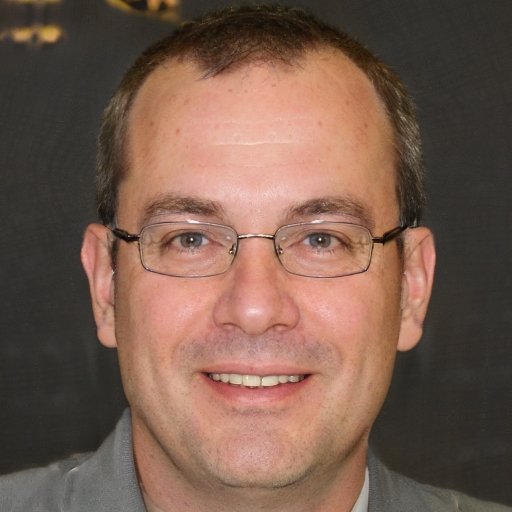
Theodore Benson is a licensed Damage Restoration Expert with over 20 years of hands-on experience in disaster recovery and structural mitigation. As a seasoned industry authority, Theodore has spent two decades mastering the technical complexities of environmental safety, providing homeowners with the reliable expertise and steady leadership required to navigate high-stress property losses with absolute confidence.
𝗖𝗲𝗿𝘁𝗶𝗳𝗶𝗰𝗮𝘁𝗶𝗼𝗻𝘀: Theodore holds elite IICRC credentials, including Water Damage Restoration (WRT), Applied Structural Drying (ASD), Mold Remediation (AMRT), Fire and Smoke Restoration (FSRT), and Odor Control (OCT).
𝗙𝗮𝘃𝗼𝗿𝗶𝘁𝗲 𝗣𝗮𝘀𝘁𝗶𝗺𝗲: An enthusiast of precision and craftsmanship, Theodore enjoys restoring vintage clocks and coastal sailing, hobbies that reflect the patience and attention to detail he brings to every restoration project.
𝗕𝗲𝘀𝘁 𝗣𝗮𝗿𝘁 𝗼𝗳 𝘁𝗵𝗲 𝗷𝗼𝗯: He finds the most fulfillment in providing a clear path forward for families, turning a site of devastation back into a safe, comfortable, and healthy home.